Linear switches
Linear mechanical switches from Akko, Gateron, Cherry and Gazzew. Compare actuation force, travel, factory lube and pack pricing — find the right linear for your build.
111 switches · $0–$3
Linear switches travel straight down — no bump, no click, nothing between the top of the keypress and the bottom but spring resistance. The actuation point sits at a fixed depth and you feel nothing when you cross it.
That predictability is why linears are the default for fast typing and gaming, and why they are 111 of the 199 switches we track: more than every other type combined.
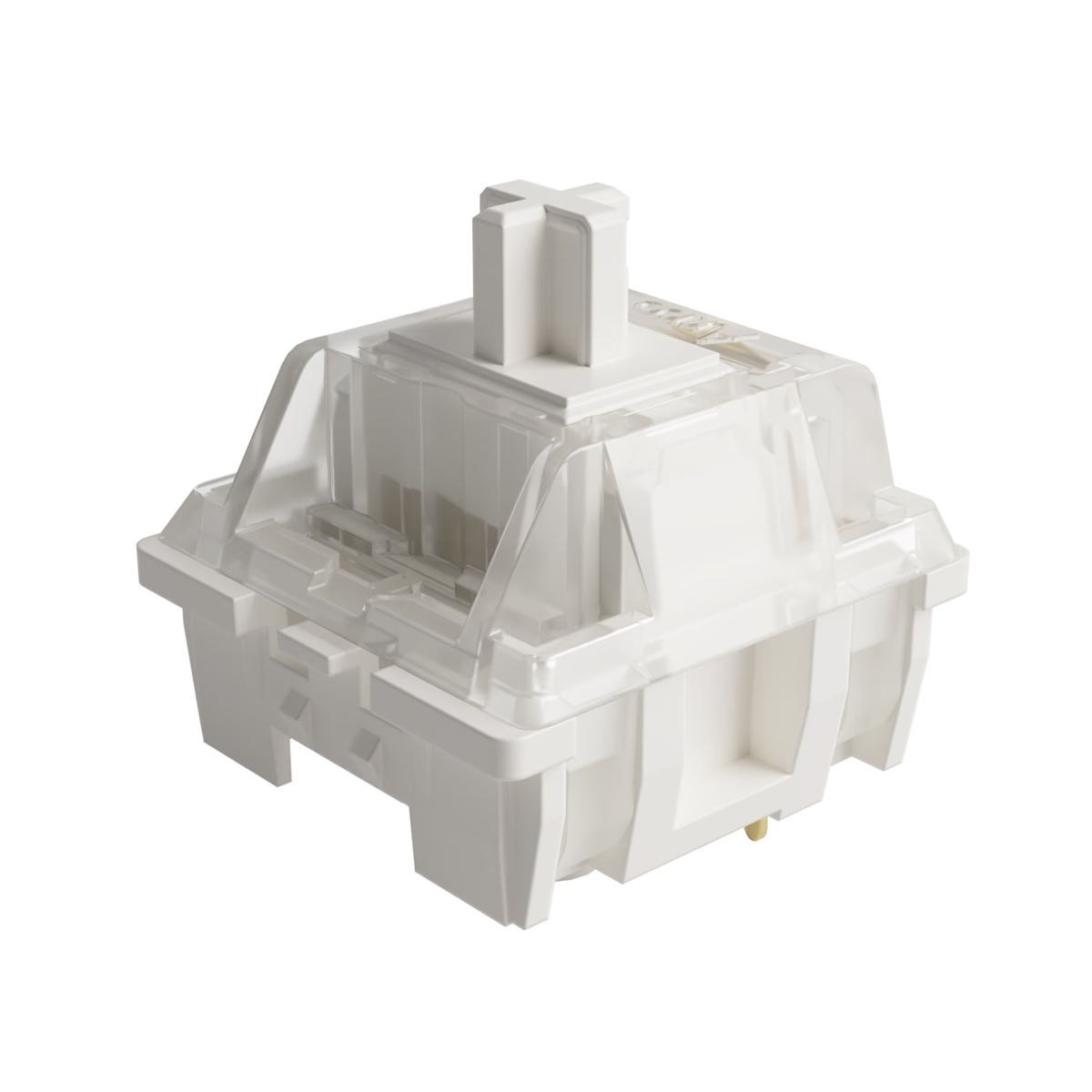
Akko
Akko CS Air Switch
from—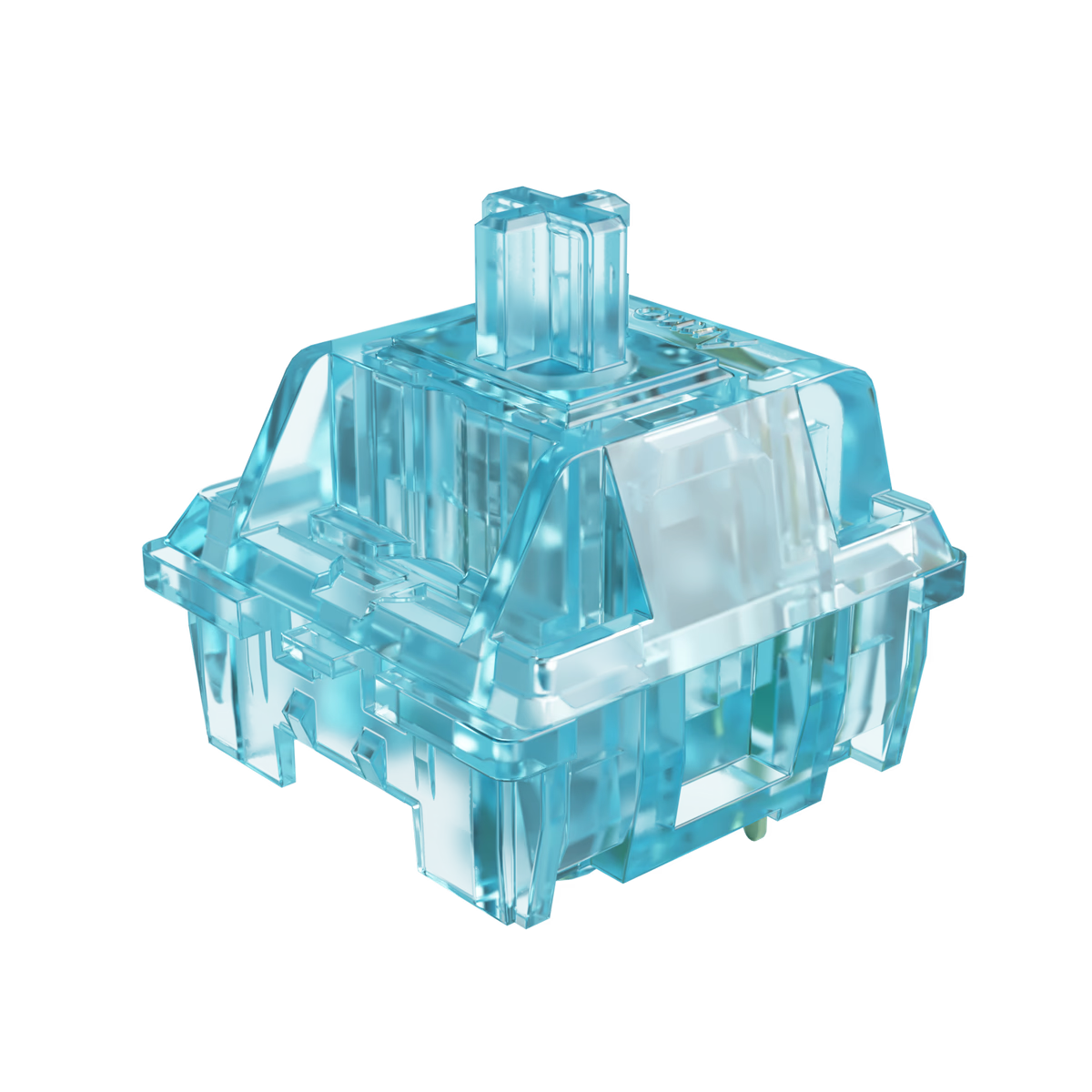
Akko
Akko CS Crystal Blue Switch
from—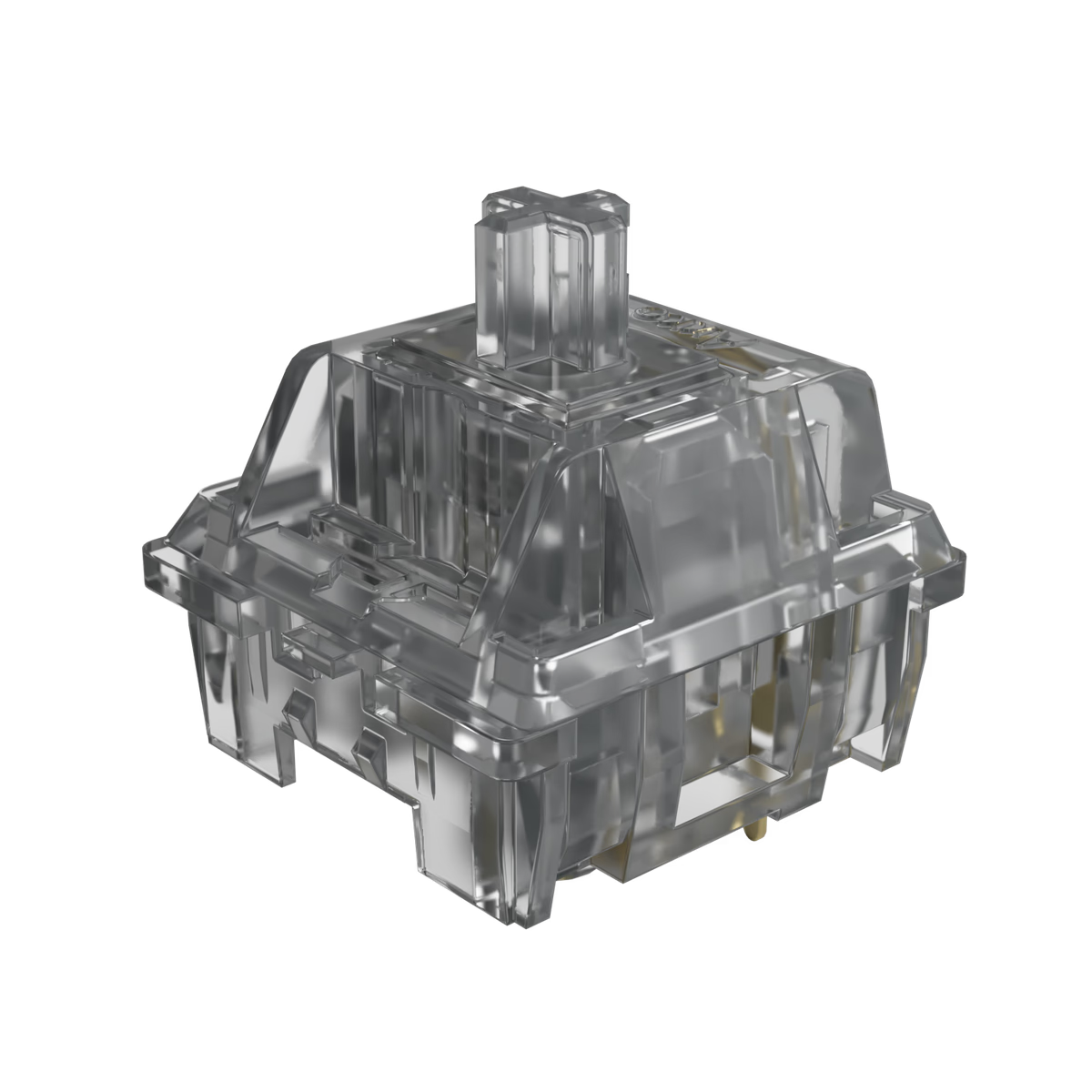
Akko
Akko CS Crystal Silver Switch
from—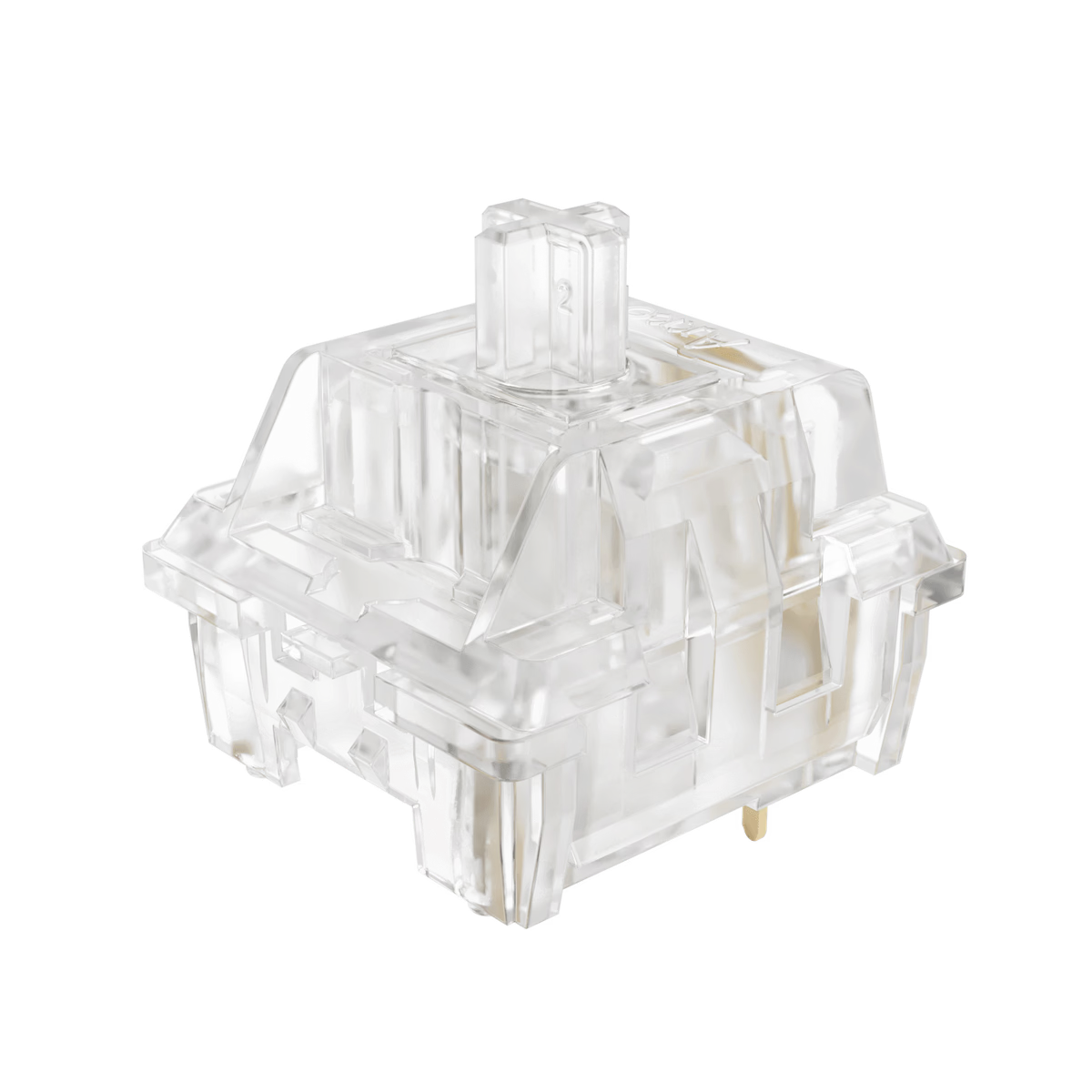
Akko
Akko CS Crystal Switch
from—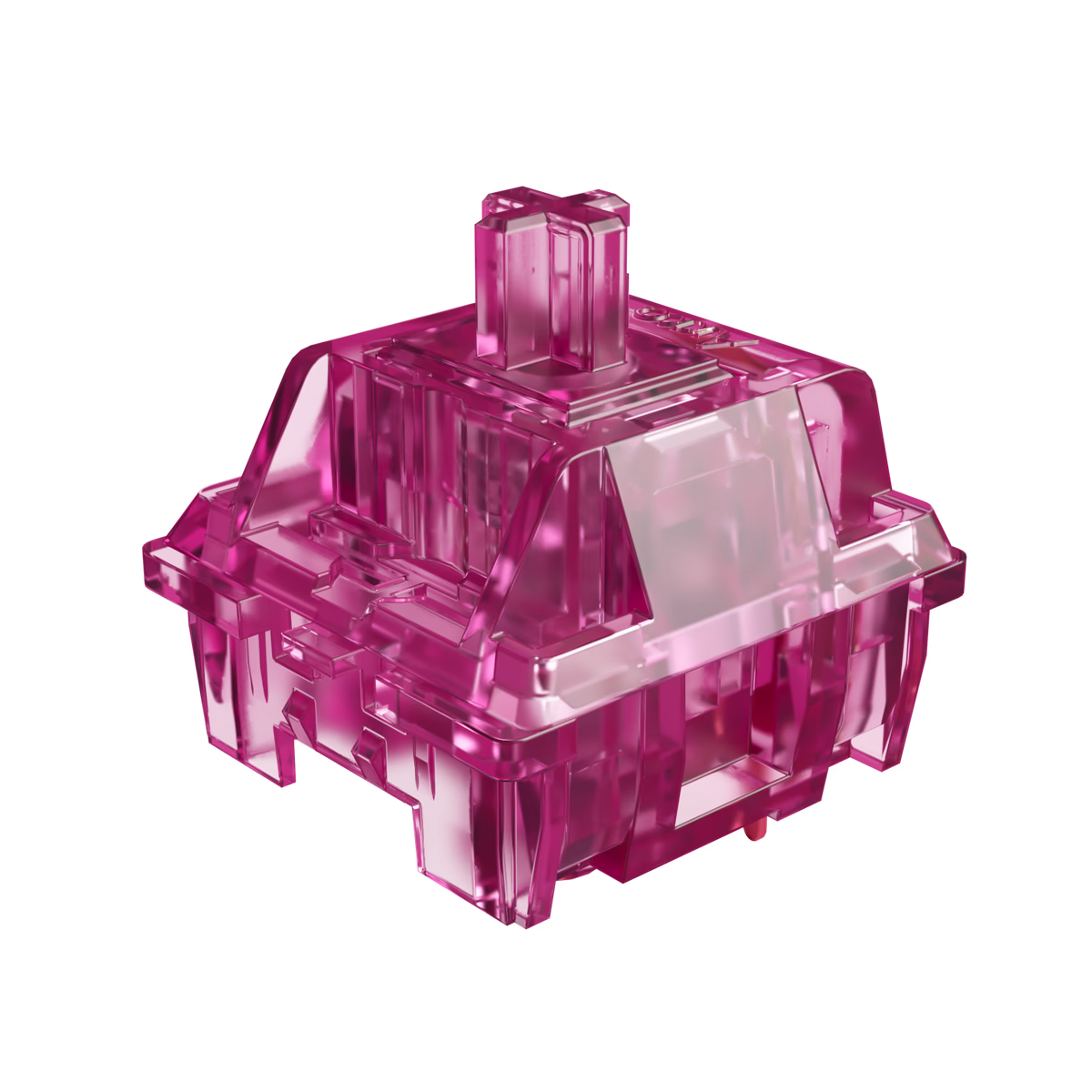
Akko
Akko CS Crystal Wine Red Switch
from—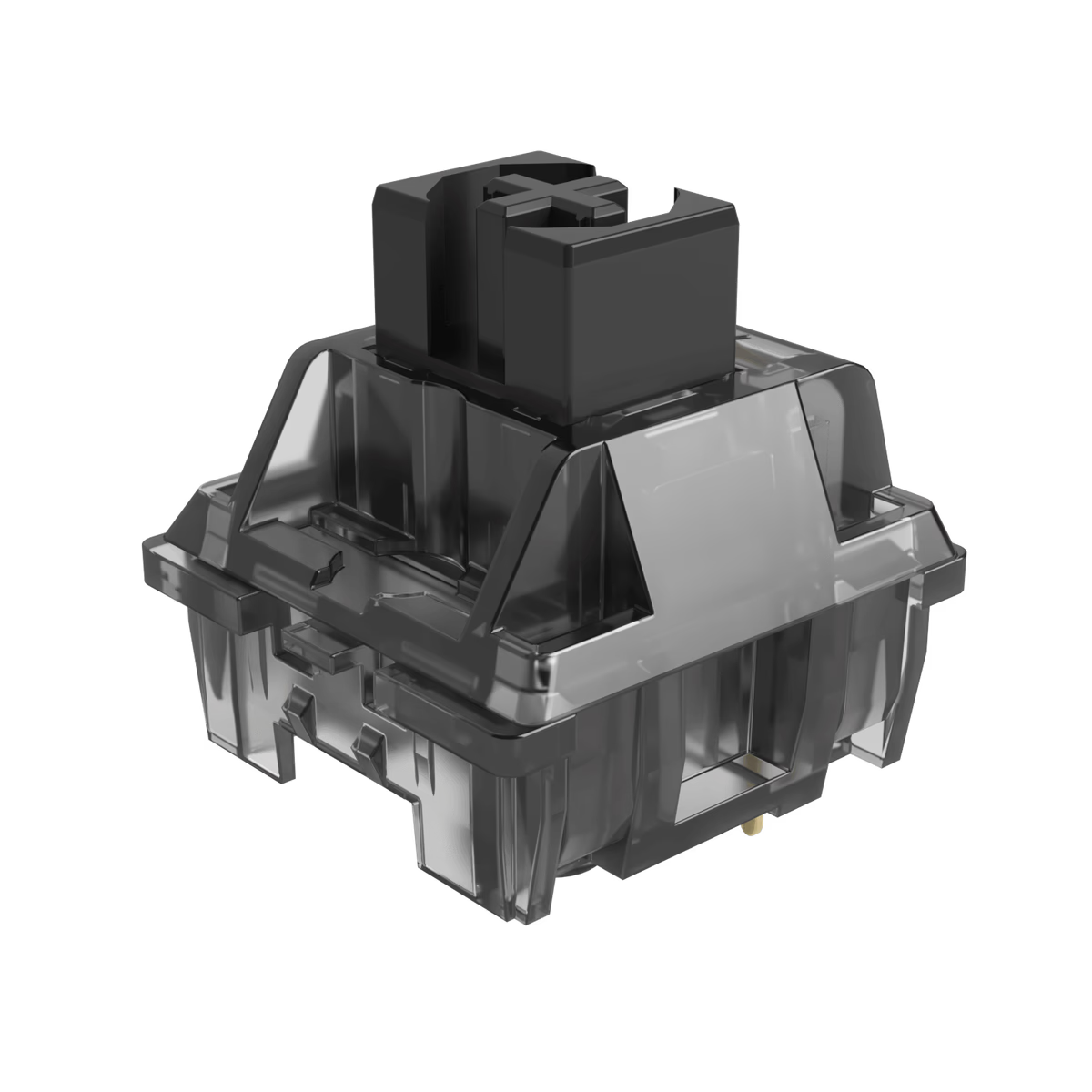
Akko
Akko CS Jelly Black Switch
from—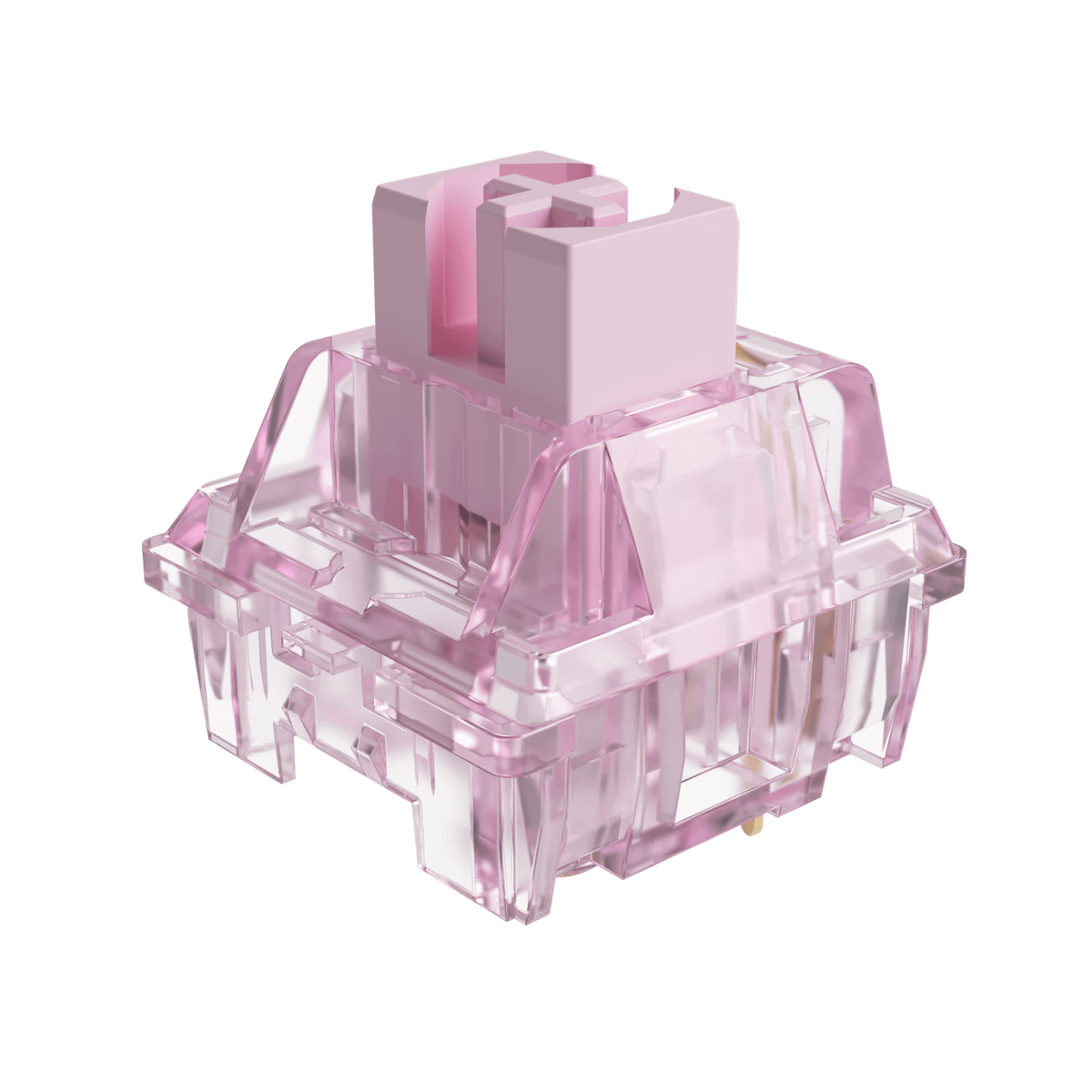
Akko
Akko CS Jelly Pink Switch
from—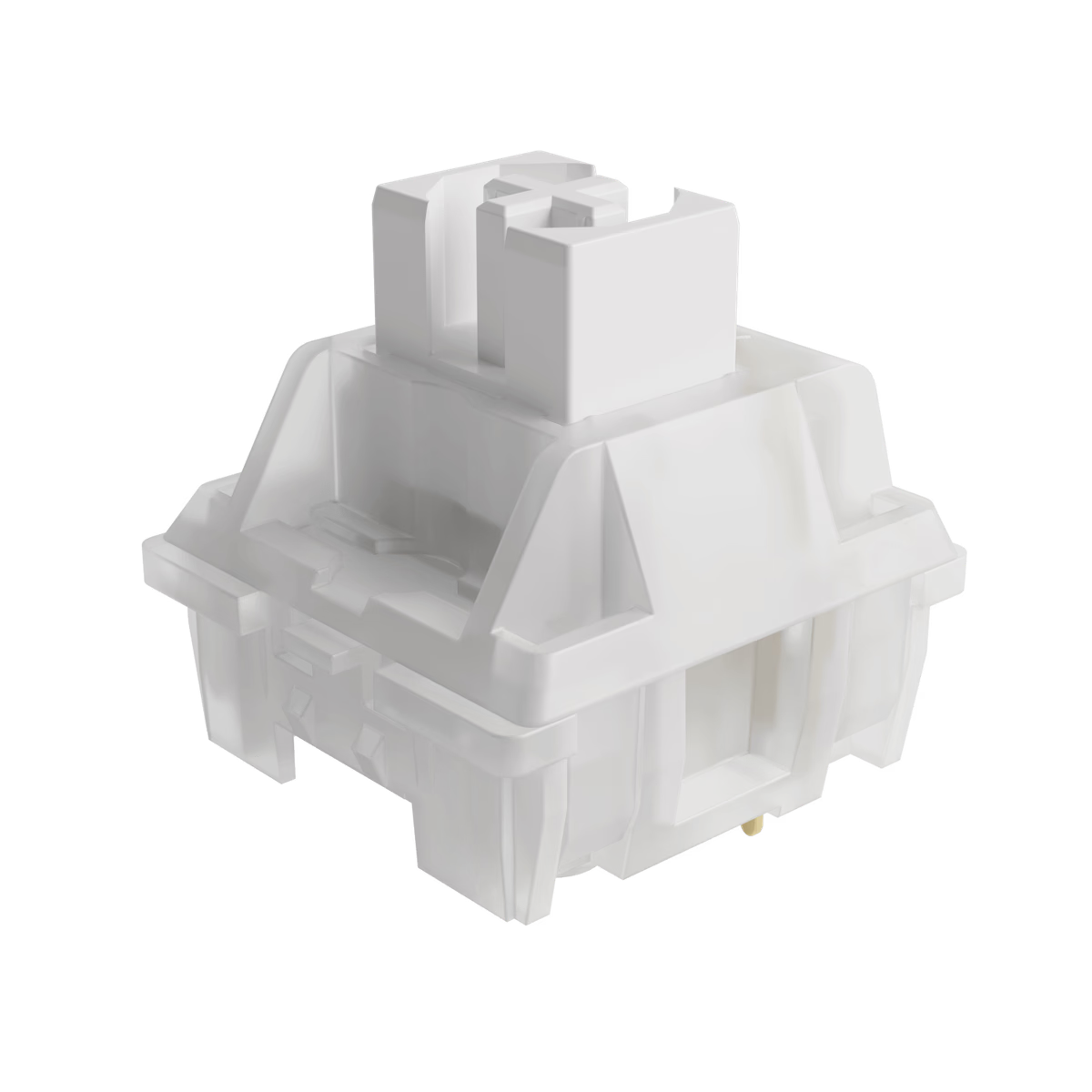
Akko
Akko CS Jelly White Switch
from—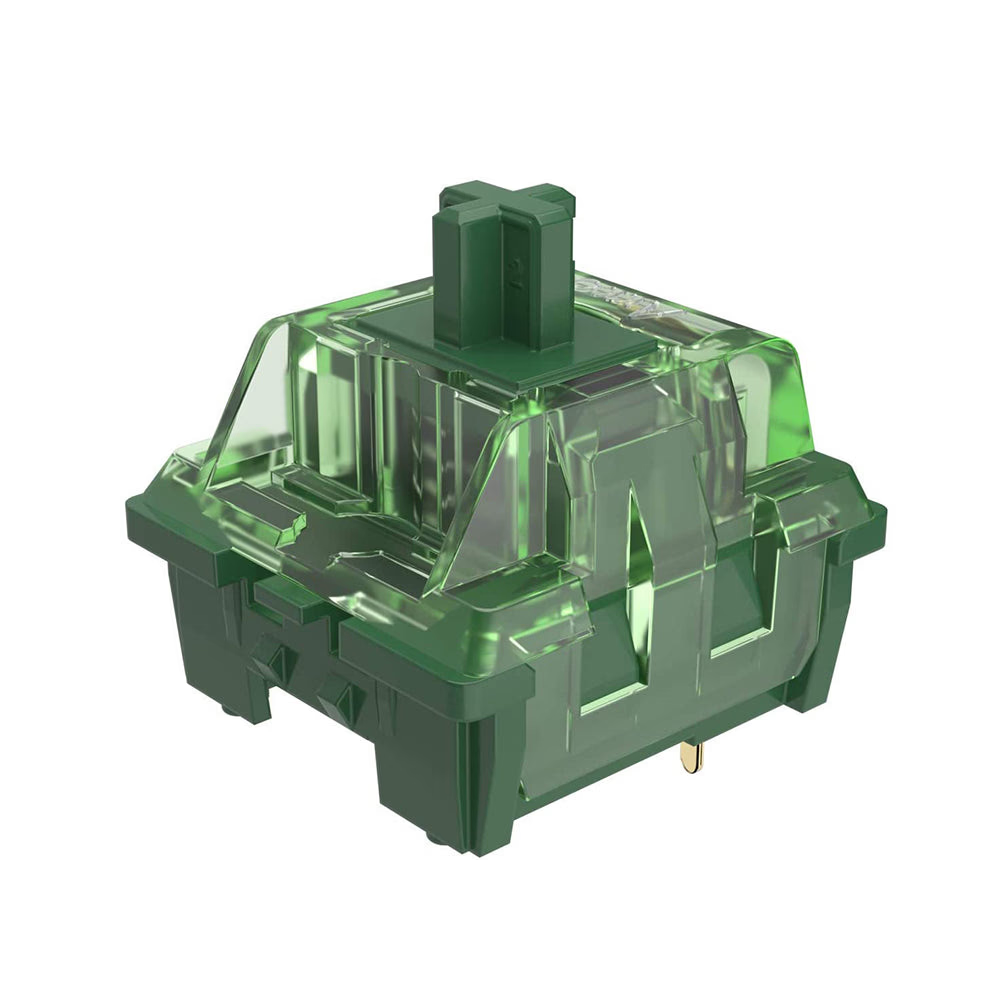
Akko
Akko CS Matcha Green Switch
from—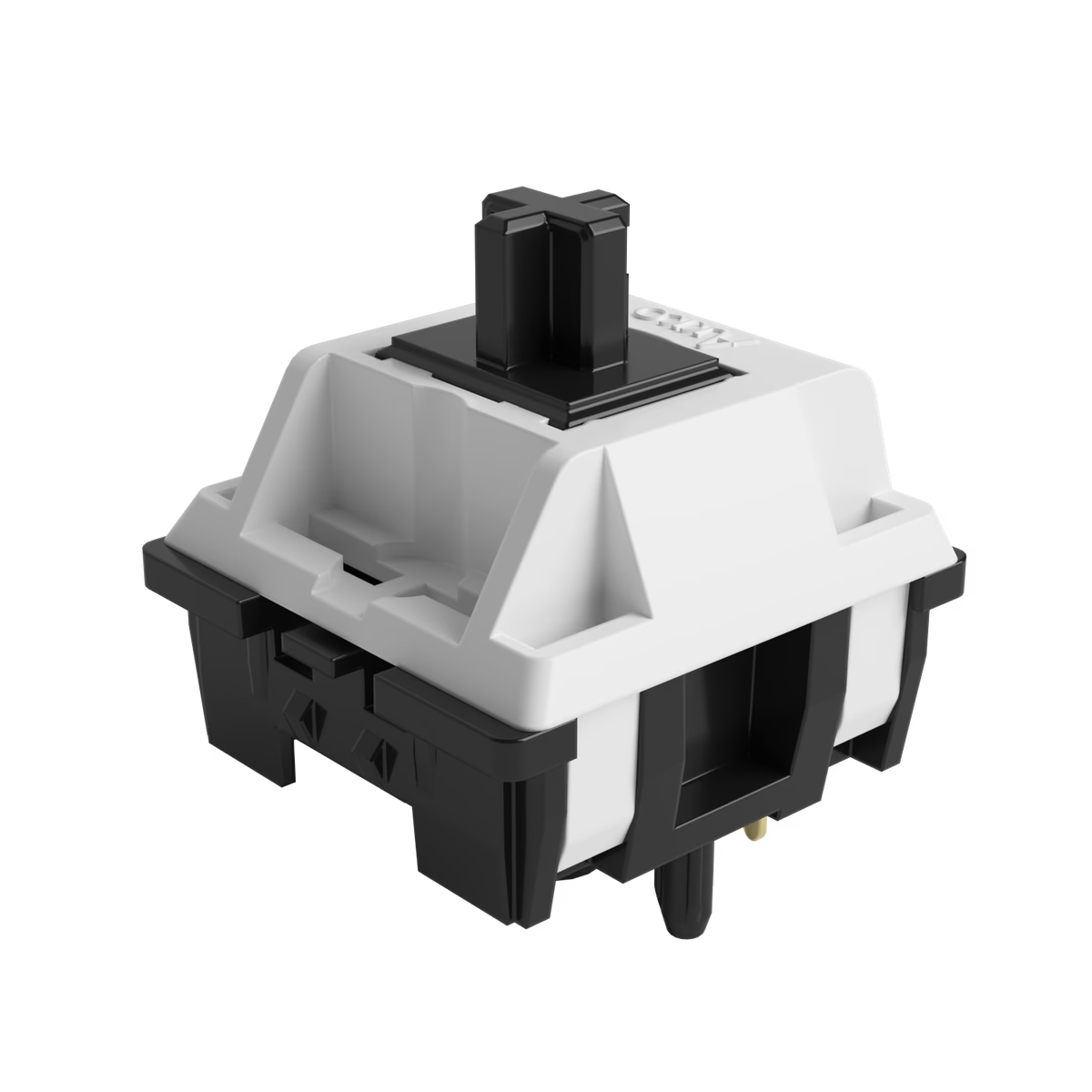
Akko
Akko CS Piano Switch (Lubed)
from—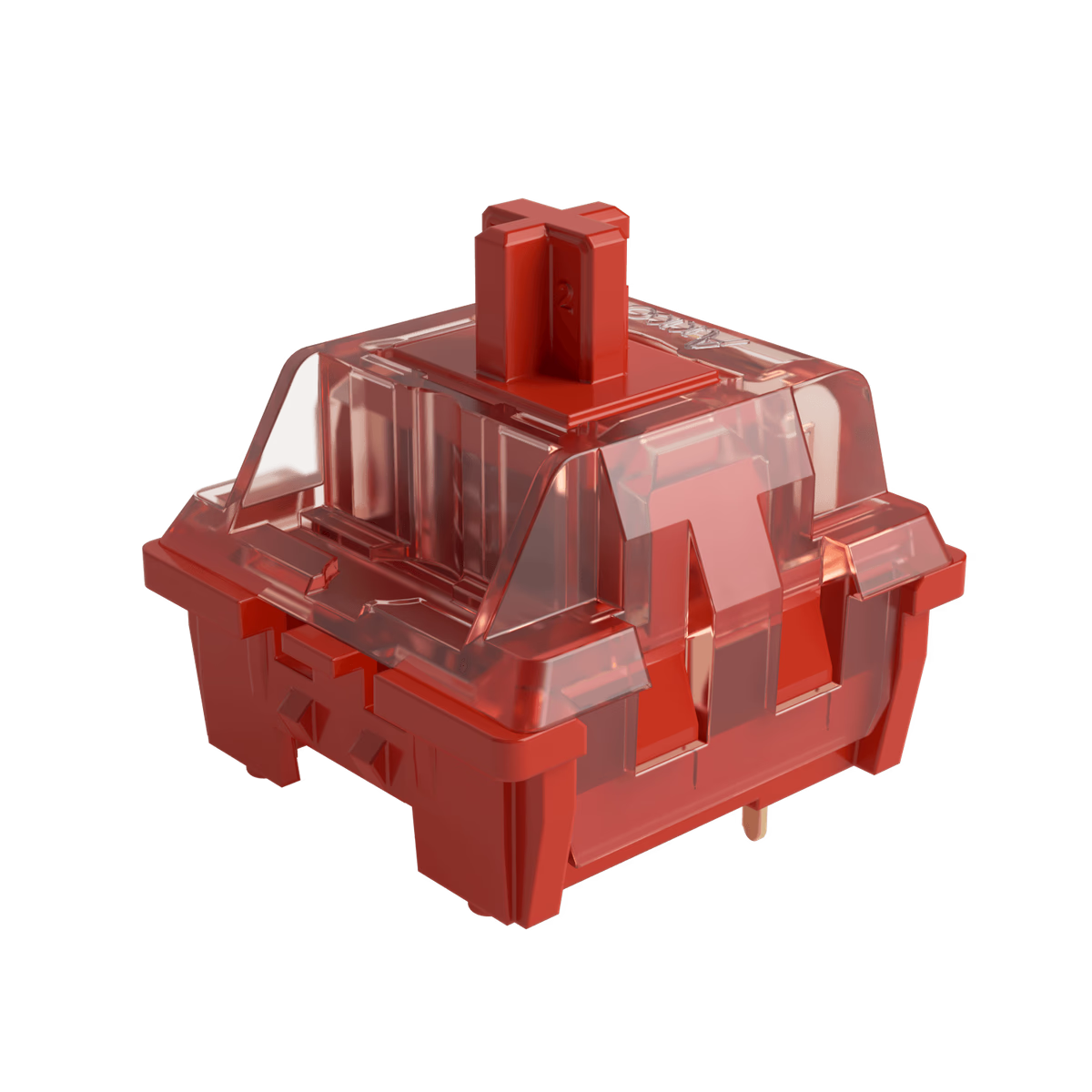
Akko
Akko CS Radiant Red Switch
from—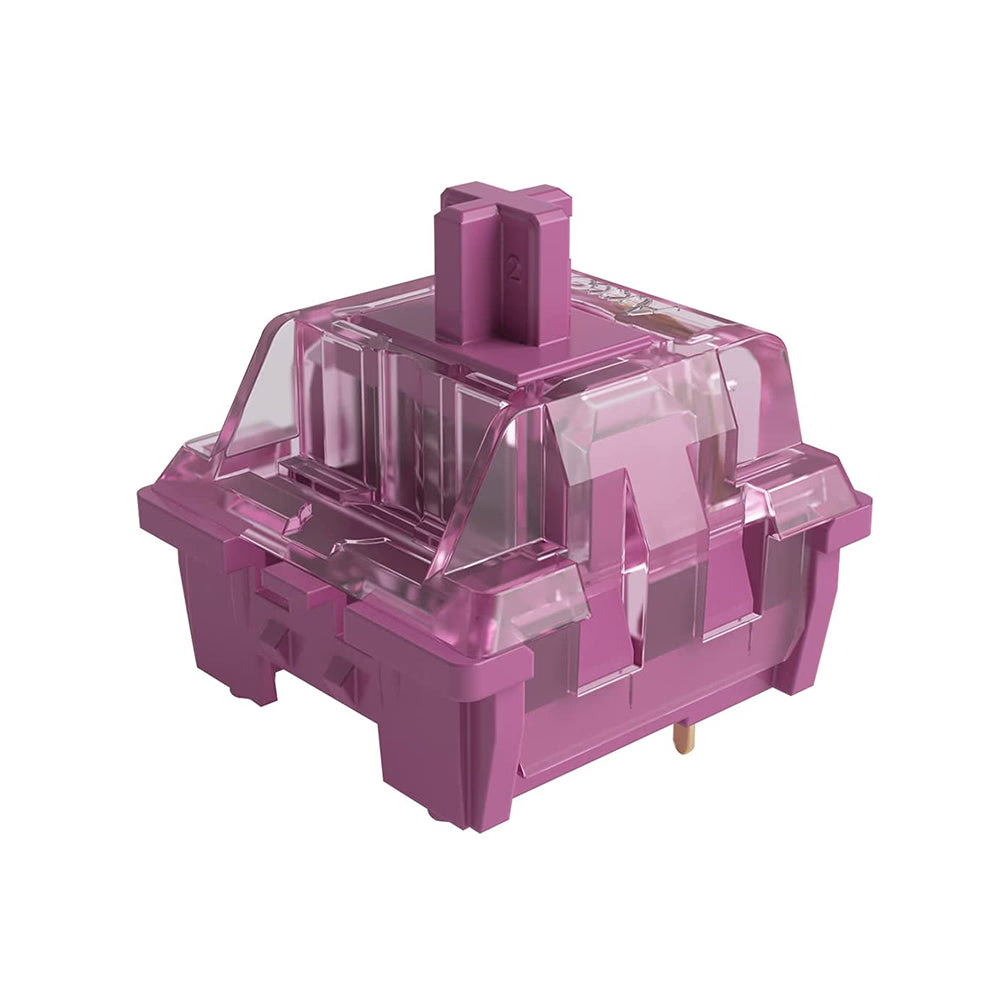
Akko
Akko CS Rose Red Switch
from—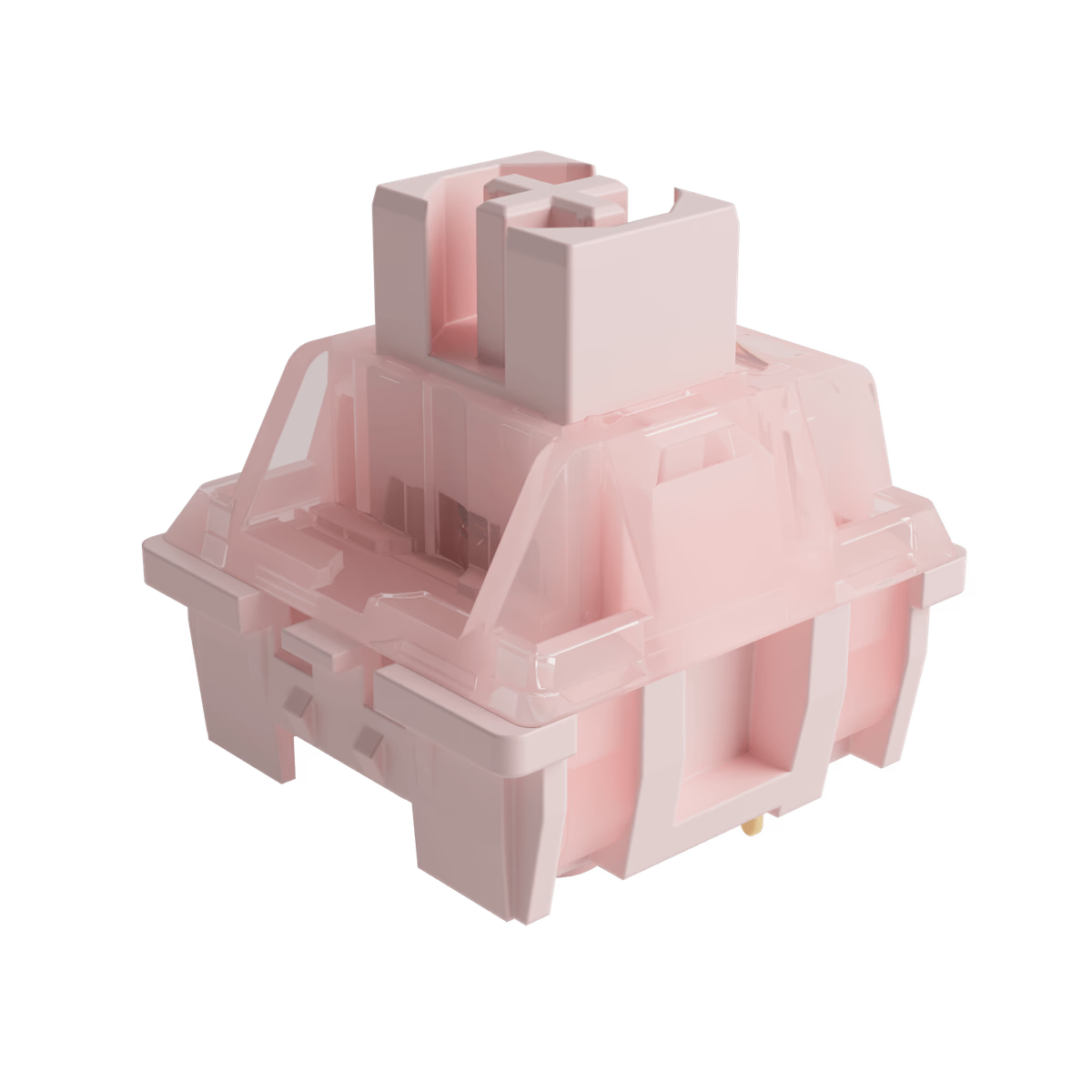
Akko
Akko CS Sakura Switch
from—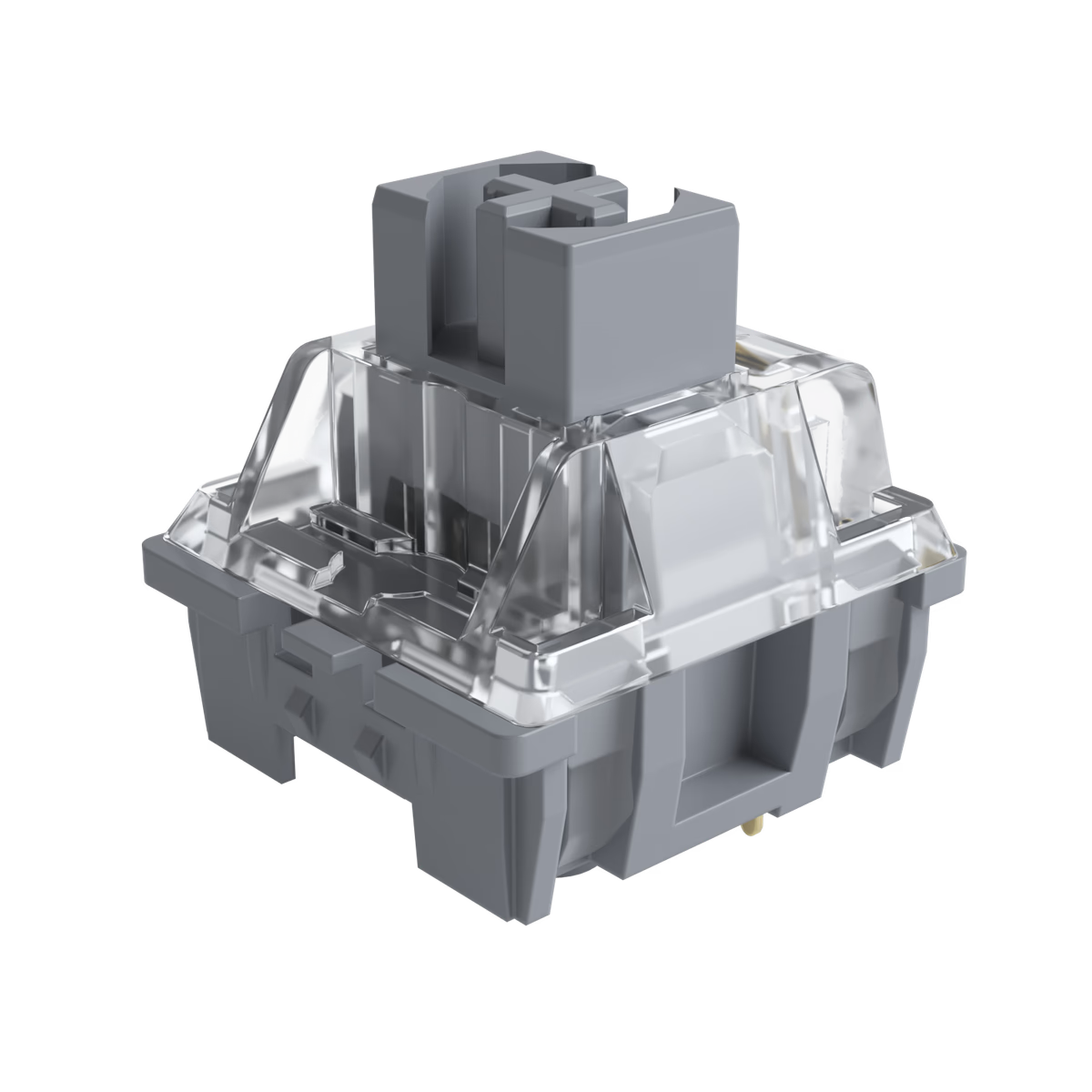
Akko
Akko CS Silver Switch
from—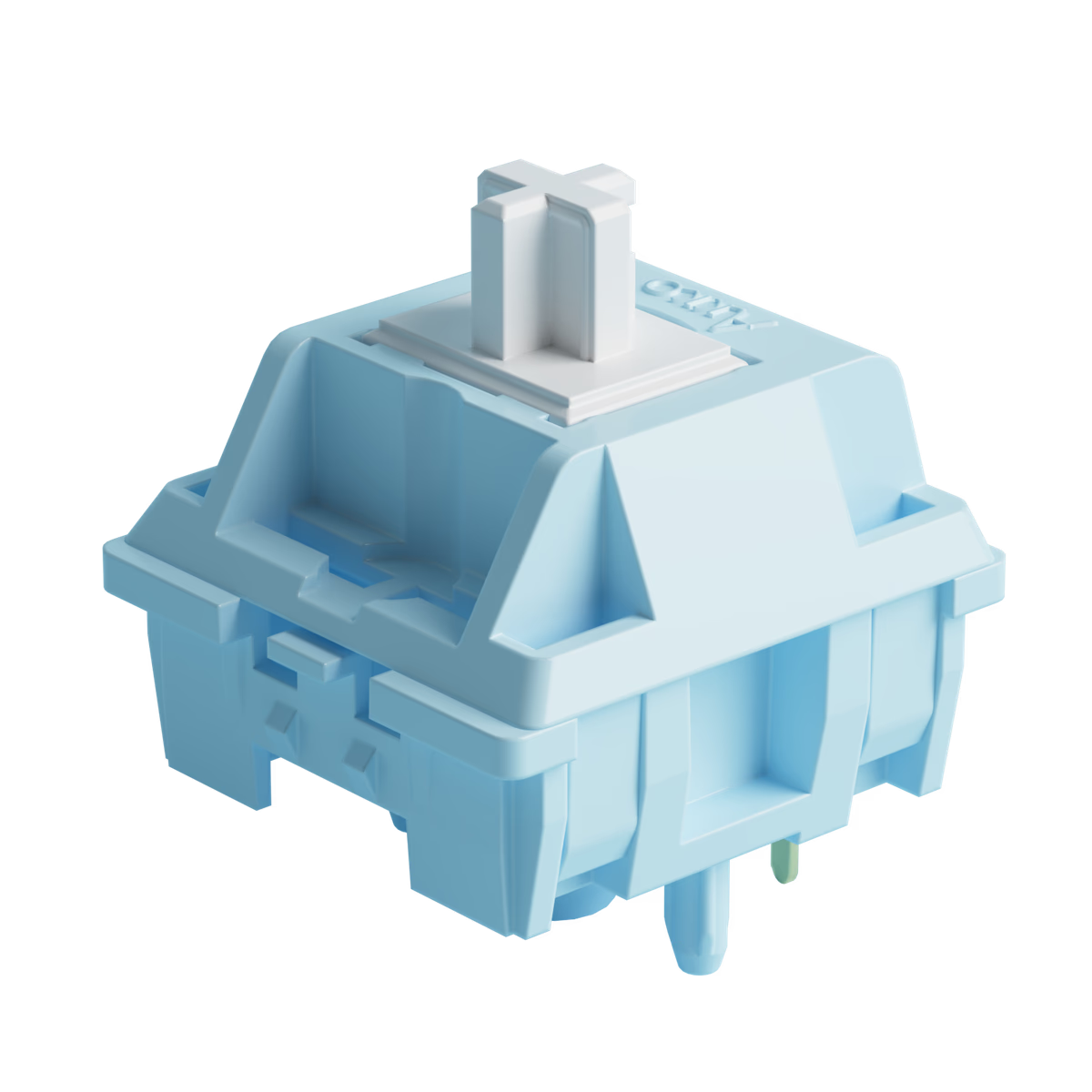
Akko
Akko CS Snow Blue Gray Switch
from—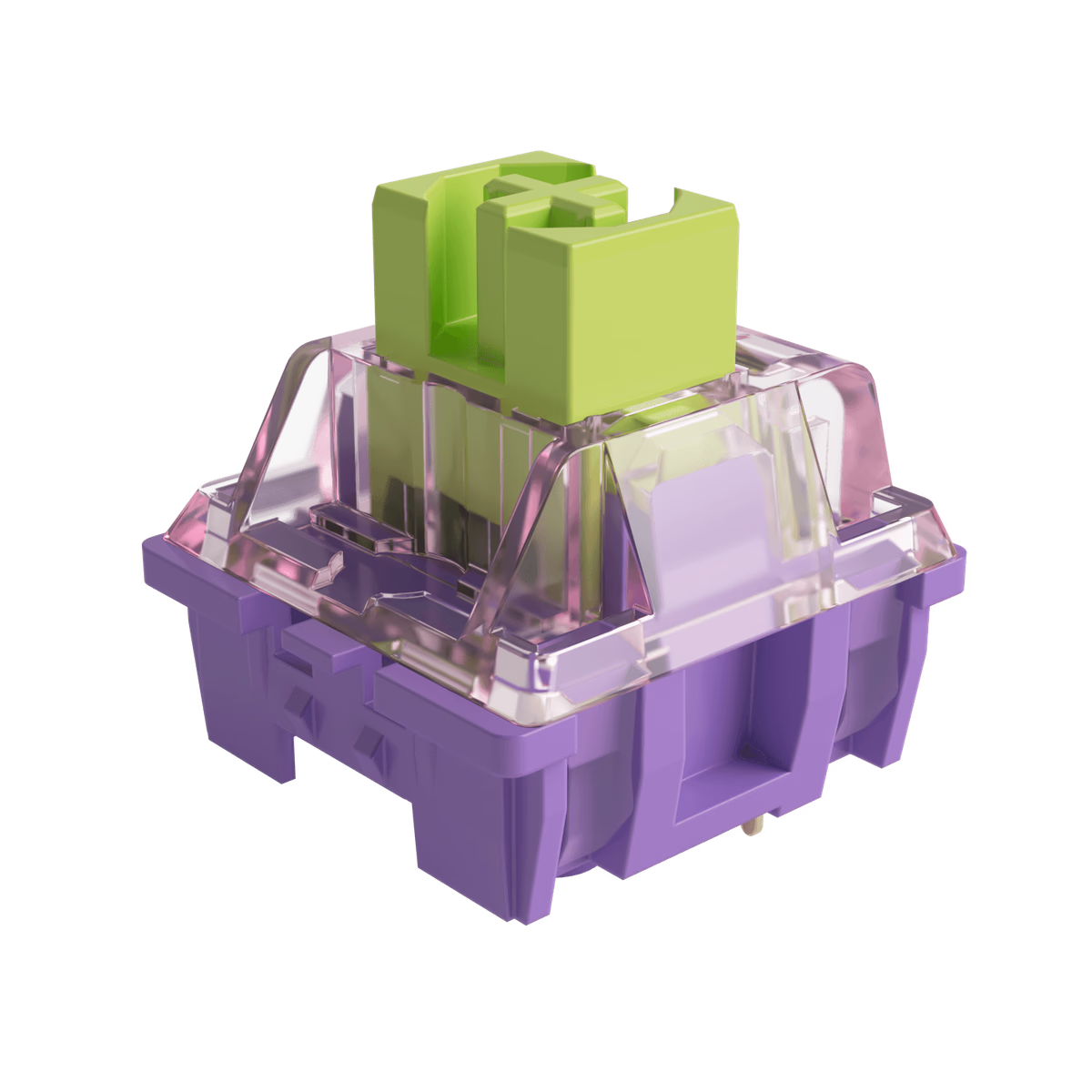
Akko
Akko CS Starfish Switch
from—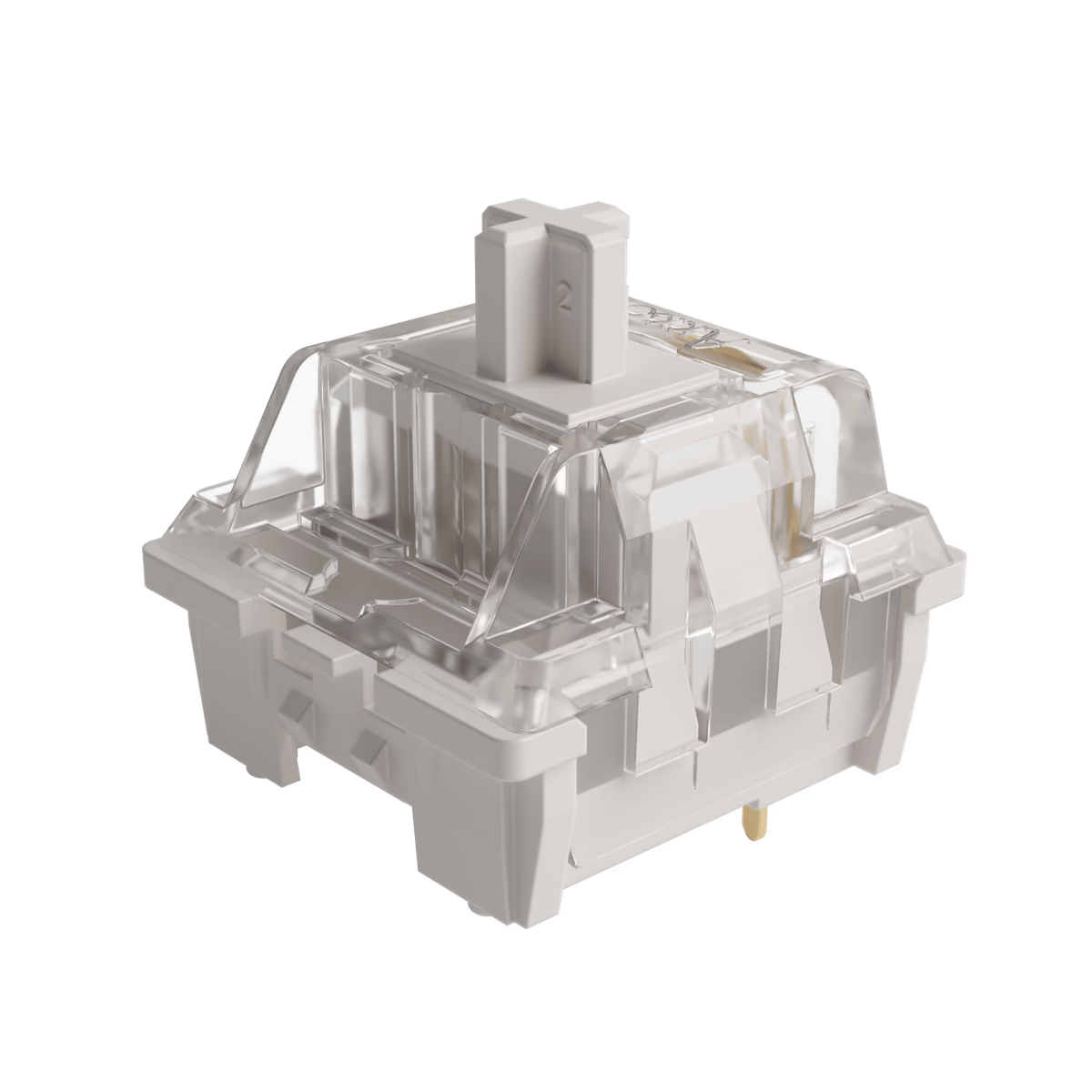
Akko
Akko CS Vintage White Switch
from—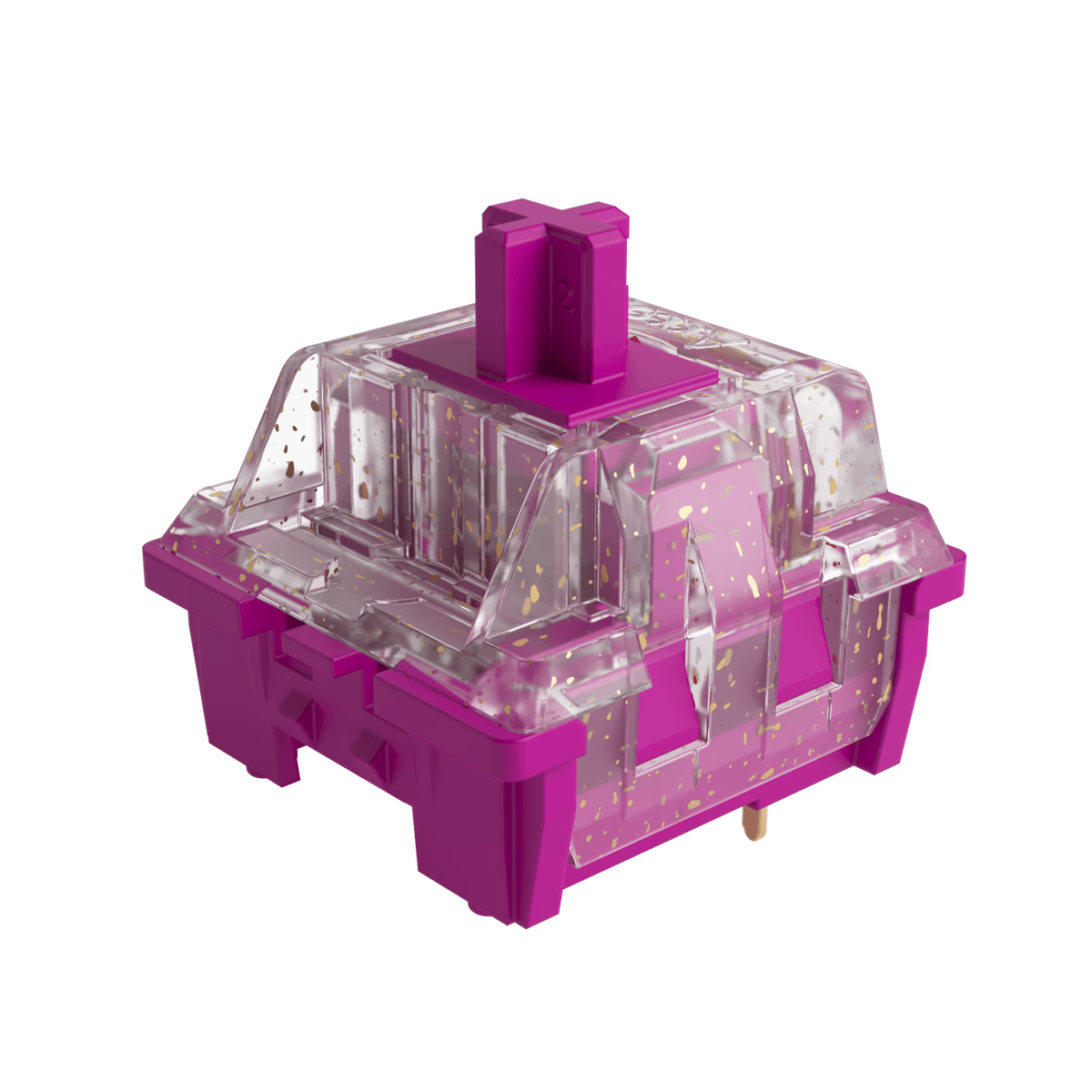
Akko
Akko CS Wine Red Switch (Lubed)
from—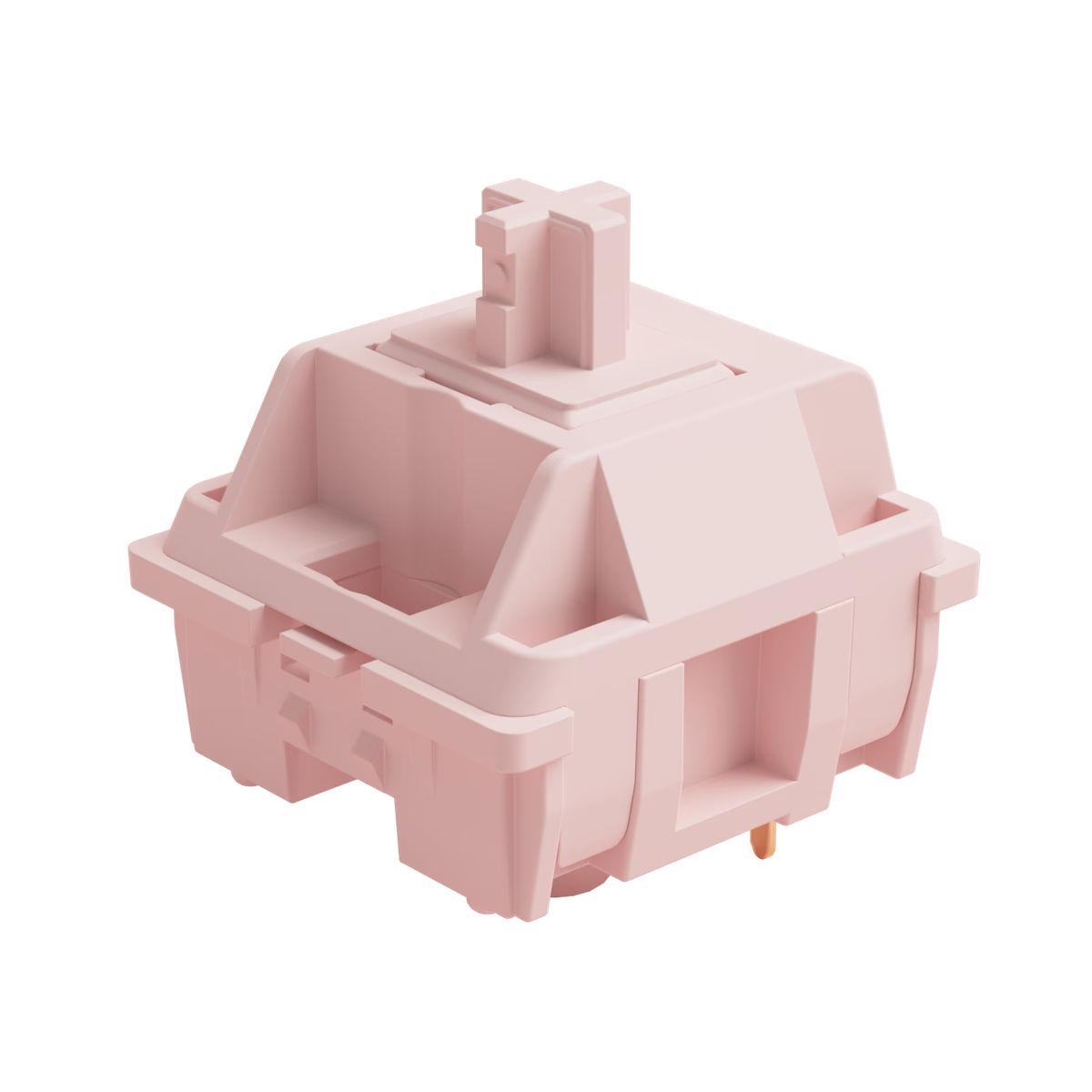
Akko
Akko POM Pink Switch
from—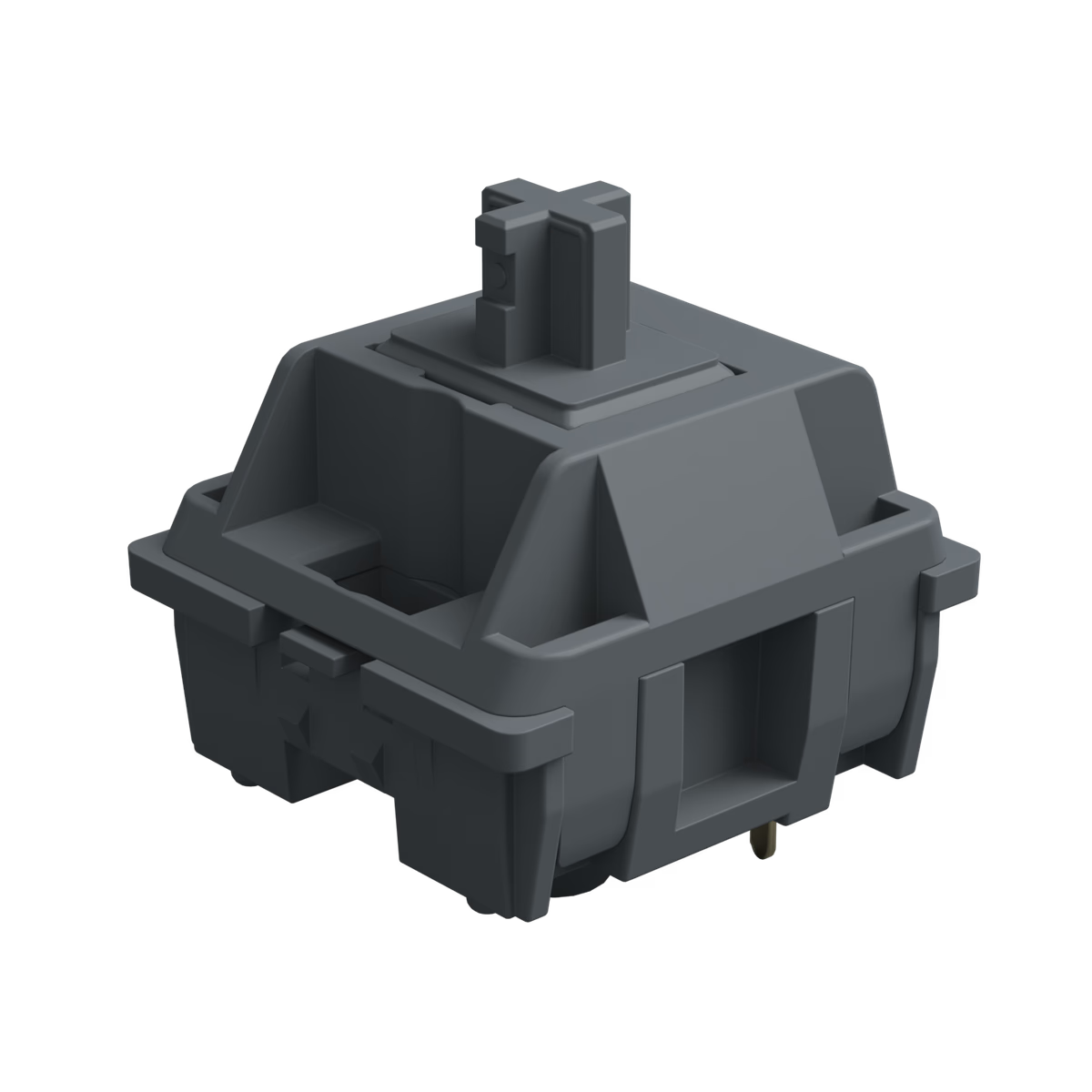
Akko
Akko POM Silver Switch
from—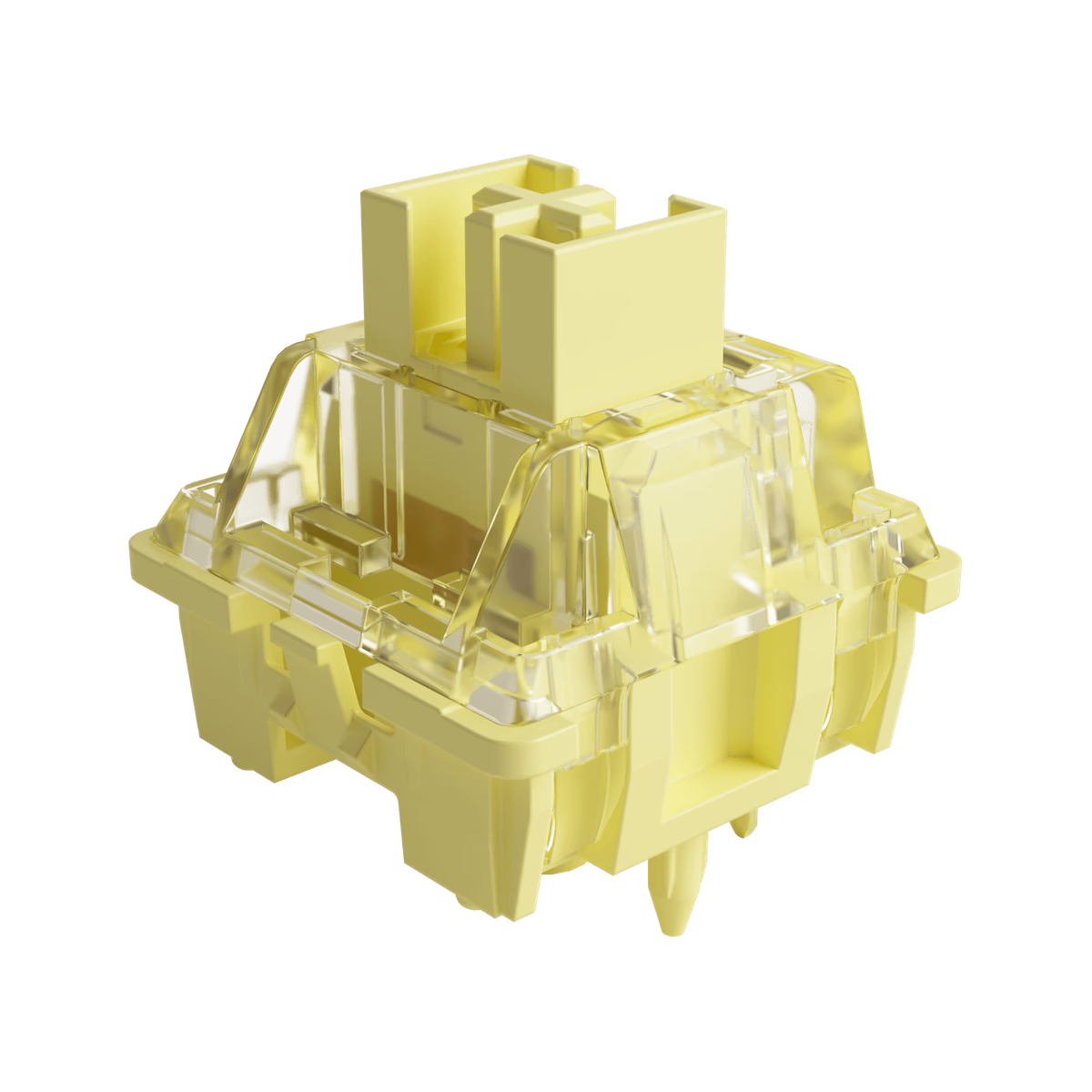
Akko
Akko V3 Creamy Yellow Pro Switch
from$0.28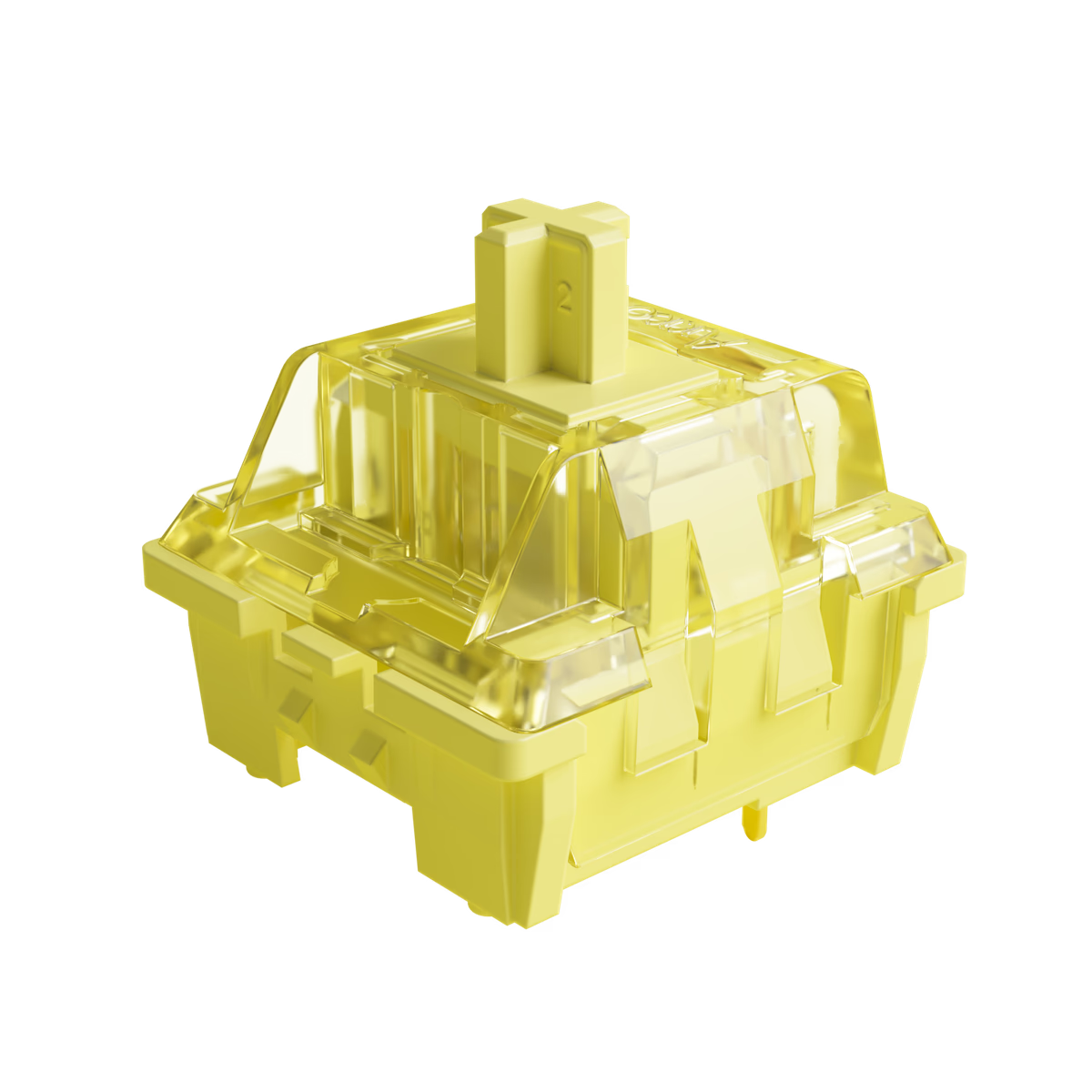
Akko
Akko V3 Creamy Yellow Switch
from$0.88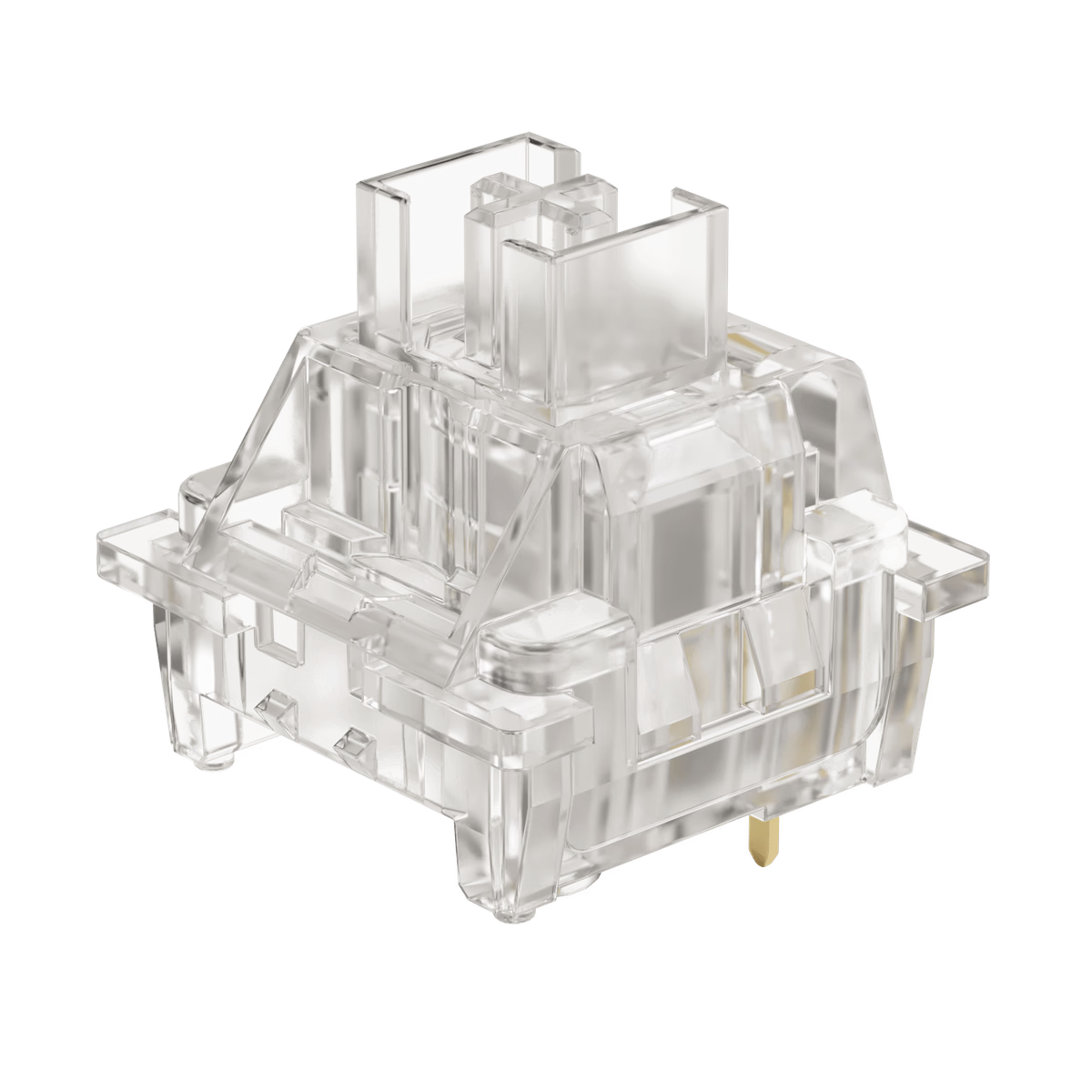
Akko
Akko V3 Crystal Pro Switch
from—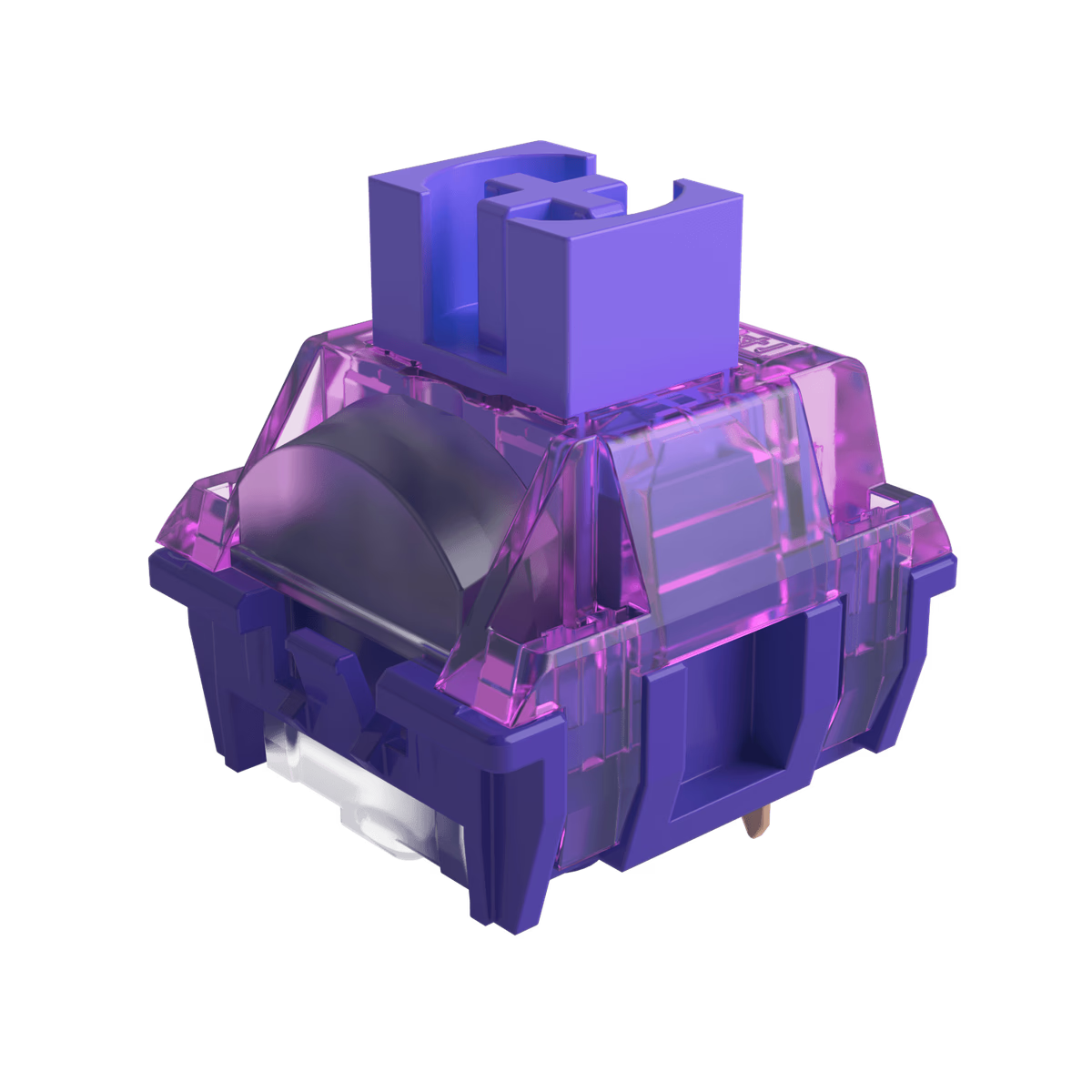
Akko
Akko x TTC Demon Switch
from—
What the linear catalog actually looks like
One hundred and eleven switches from 12 brands, the largest group in the database by a wide margin.
Weight clusters tighter than the marketing suggests. Actuation force runs 34-60 gf across the whole category, with a median of 45 gf. The "light" and "heavy" linears everyone argues about are separated by roughly 25 gf — about the weight of a five-pence coin. If you are new, start at the median and move from there; the difference between 45 and 50 gf is real but small, and neither will feel wrong.
Factory lube is now standard, not a premium. 80% of the linears we track ship pre-lubed. A decade ago this was the whole reason people bought lubing kits. It still improves things to lube by hand, but the gap between stock and hand-lubed is much narrower than the forums it spawned would suggest — see the switch lubing guide if you want to judge for yourself.
Price per switch spans two orders of magnitude: $0.08 at the floor, $0.34 median, $2.79 at the top. A 90-key board on median switches costs about $31 to populate. Watch the pack size on each listing — vendors sell in 35s, 45s, 90s and 110s, and the per-switch figure is the only honest way to compare them.
Choosing a linear
Travel is 4.0 mm on the median switch and rarely varies much. What varies is weight, housing material and stem geometry, and those decide the sound more than anything on the spec sheet.
Housing material is the one to look at after weight: polycarbonate is brighter and more resonant, nylon is deeper and more muted, and blends sit between. If you want quiet rather than deep, the silent switches trade a little travel for rubber dampers instead.
Frequently asked
Are linear switches good for typing?
What is a good actuation force for a first linear?
Do I need to lube linear switches?
Why are some linears $0.08 and others $2.79?
Keep exploring
Related guides
More switches categories