Silent switches
Silent switches with rubber dampeners on the stem — Gazzew Bobagum, Zilent V2, Cherry MX Silent Red. Compare dampening method, force and sound levels.
23 switches · $0–$1
Silent switches put rubber or silicone dampers on the stem so it lands softly at both ends of the stroke — no plastic-on-plastic bottom-out, no clack on the upstroke. They come in linear and tactile flavours, and both are here.
Twenty-three switches across the two types. It is a small category with the clearest reason to exist of any: everything else on this site gets you a keyboard you like; this gets you one you can use next to other people.
Akko
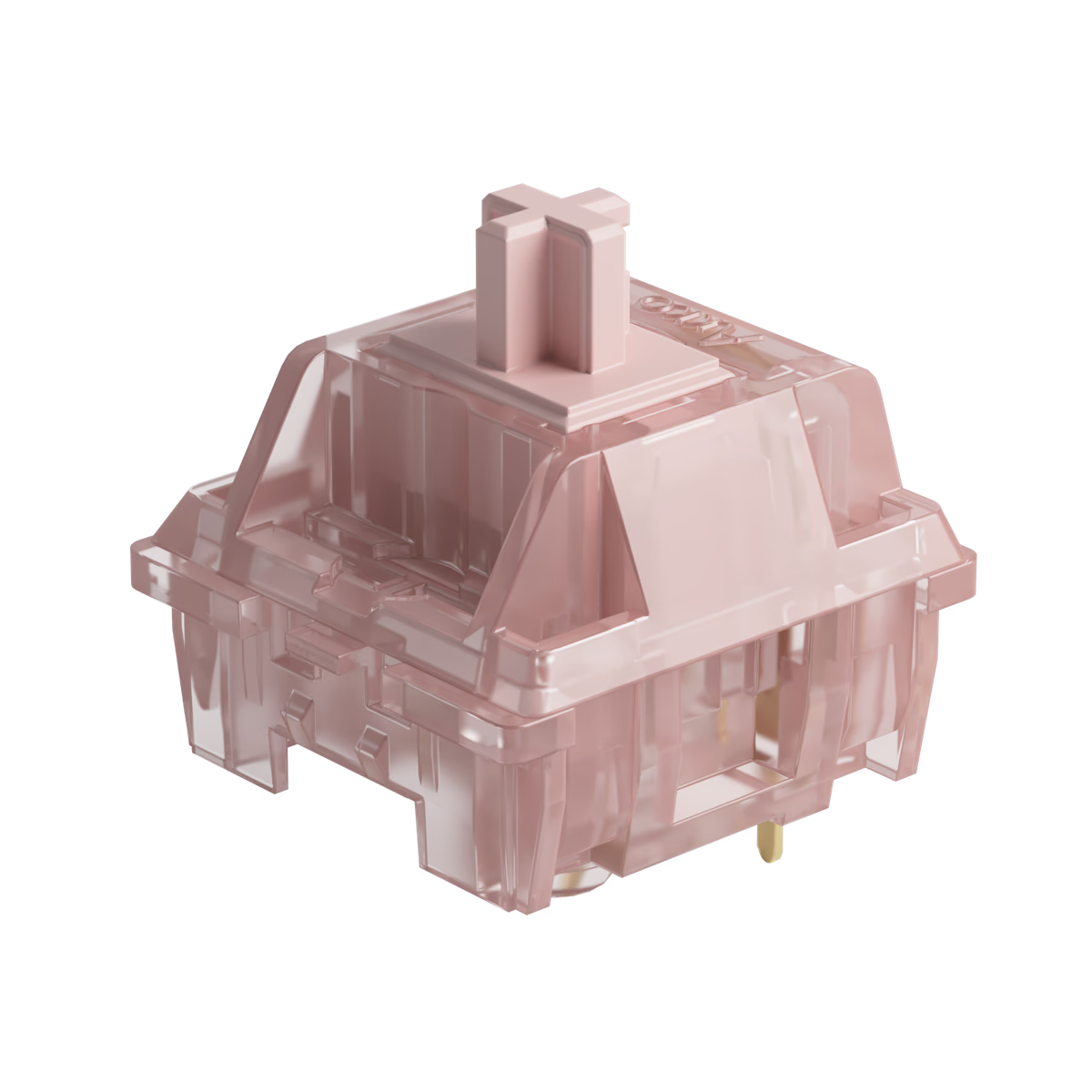
Akko Haze Pink Silent Switch
from—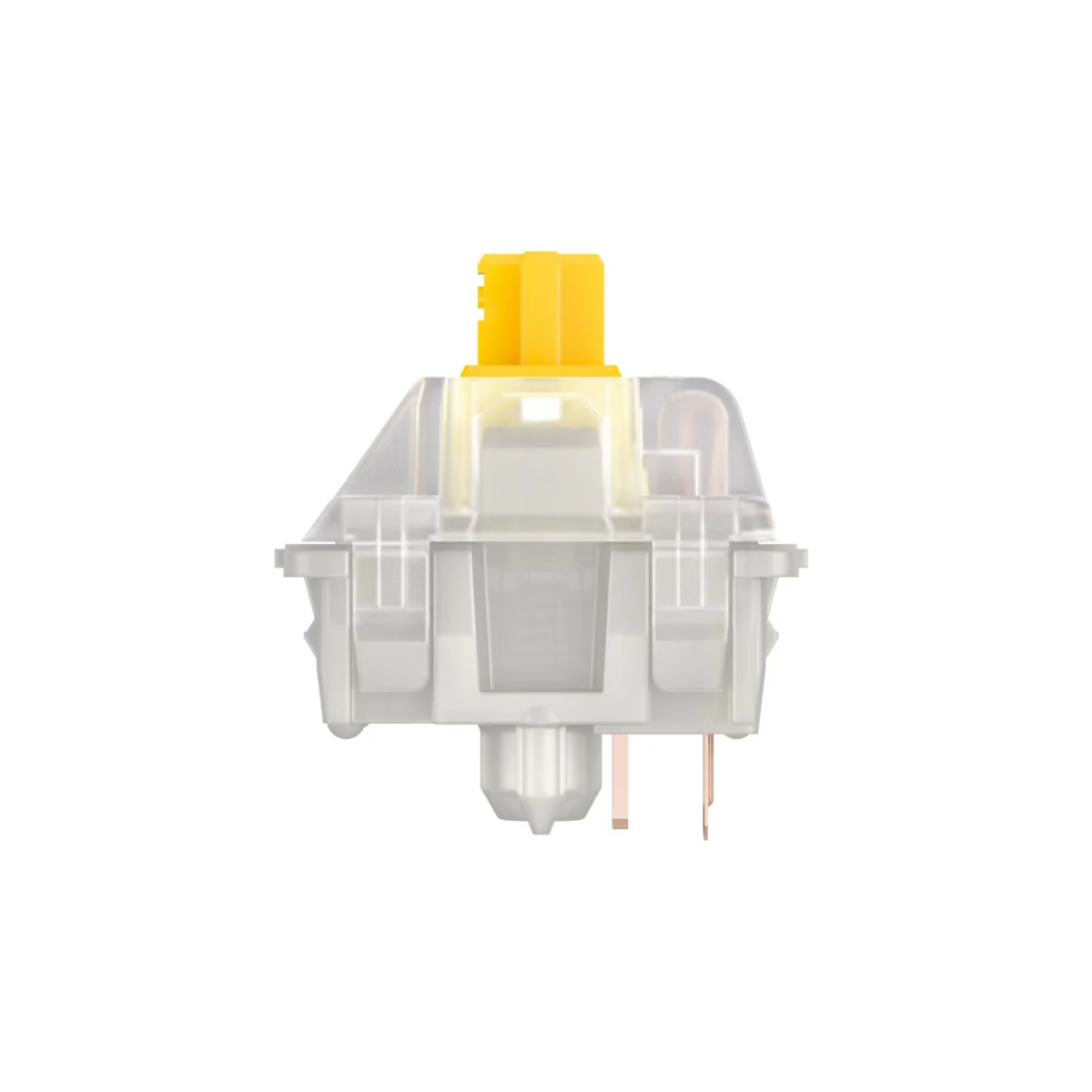
Cherry
Cherry MX2A Honey
from$0.55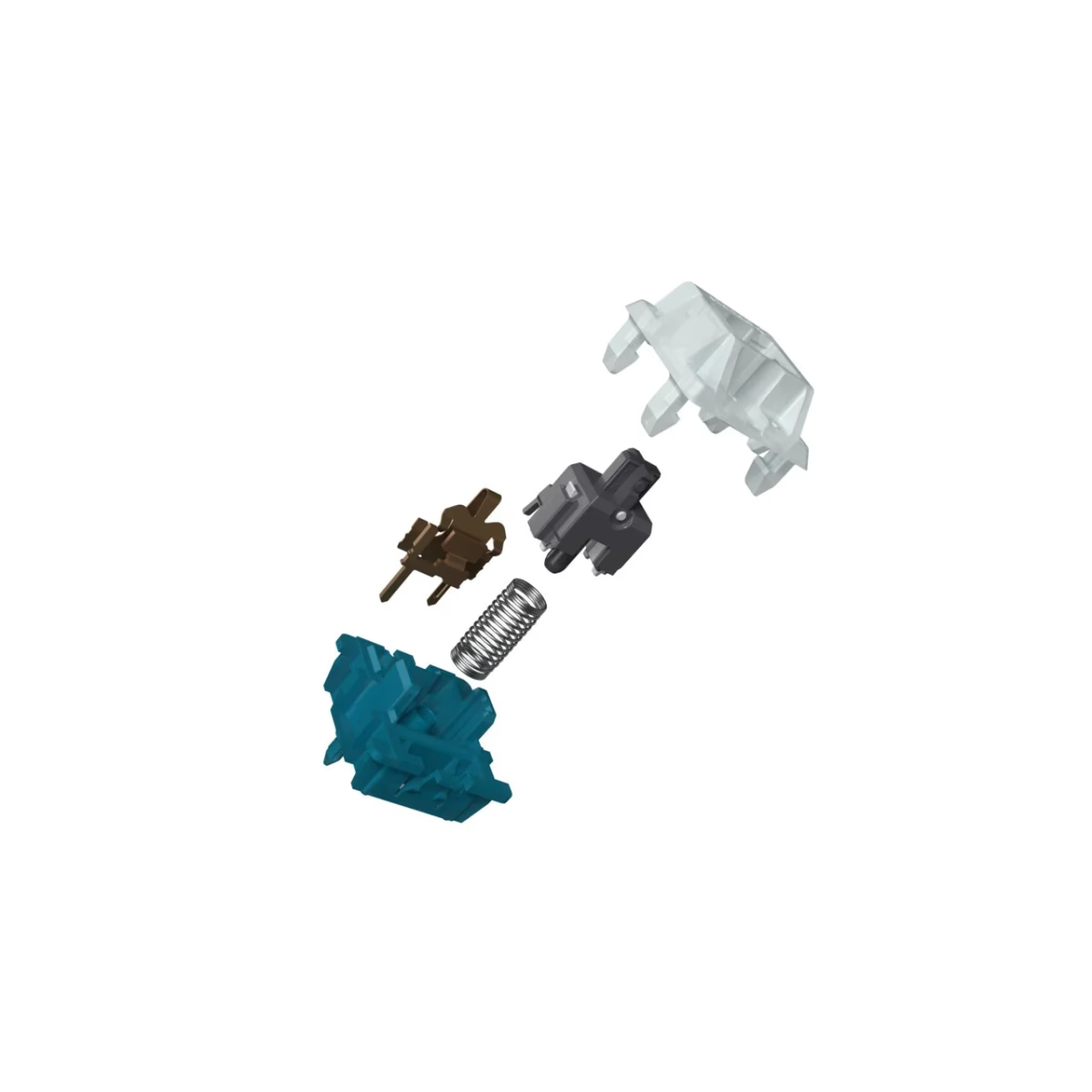
Cherry
Cherry MX2A Northern Light
from$0.52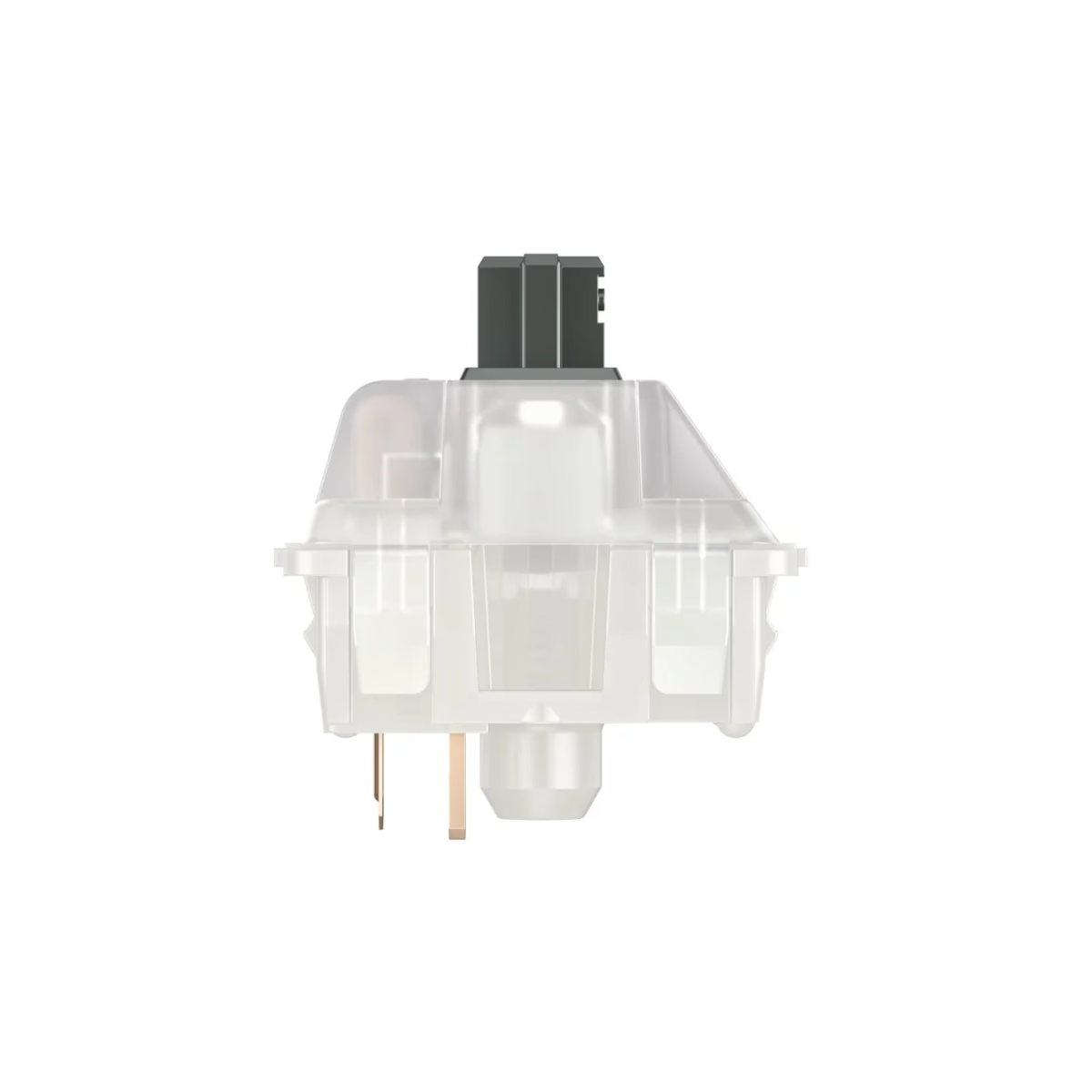
Cherry
Cherry MX2A Silent Black
from$0.35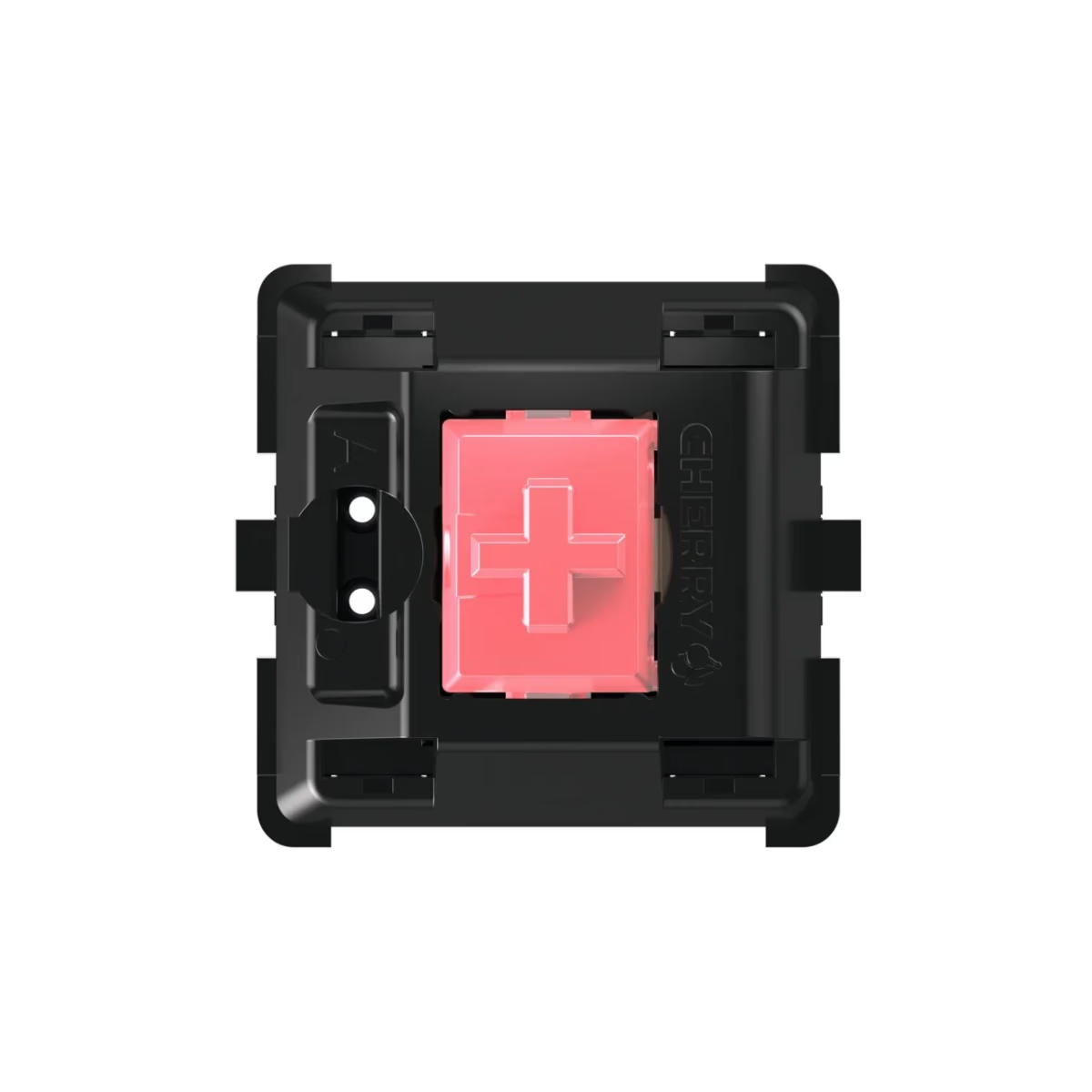
Cherry
Cherry MX2A Silent Red
from$0.41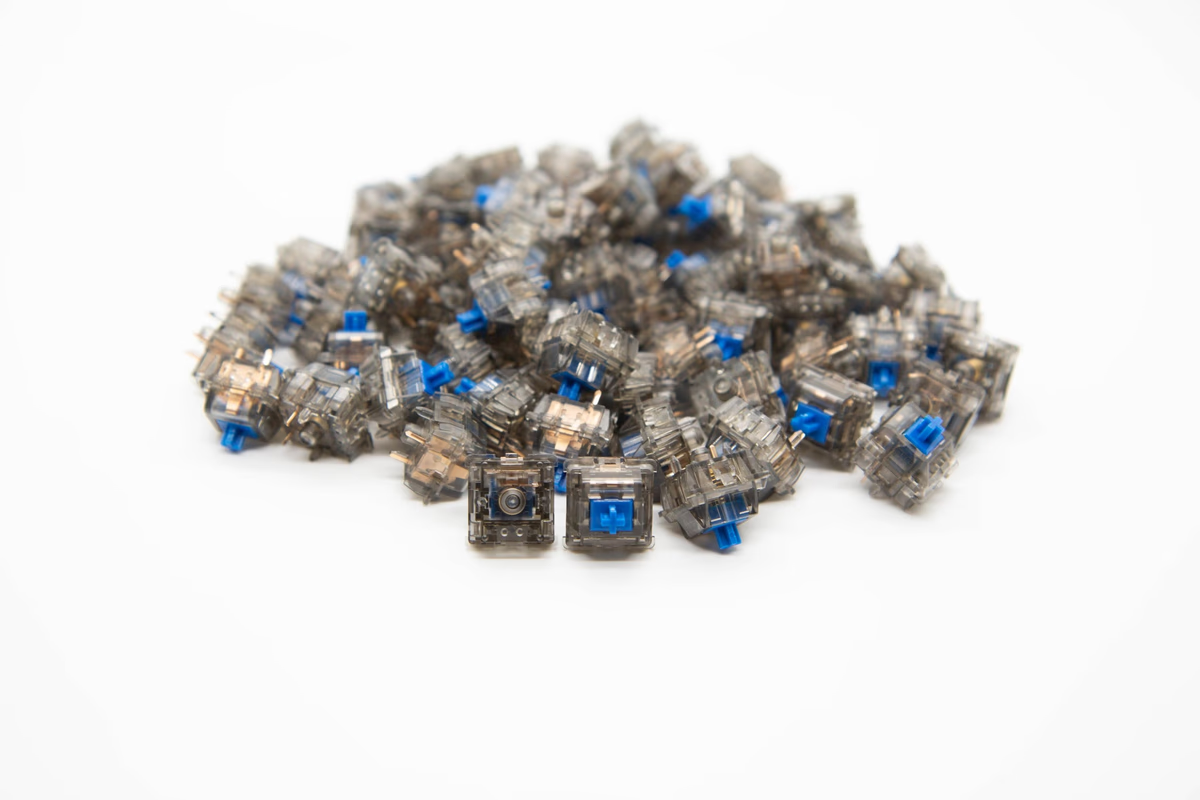
Durock
Durock Daybreak Silent Linear Switch
from$0.57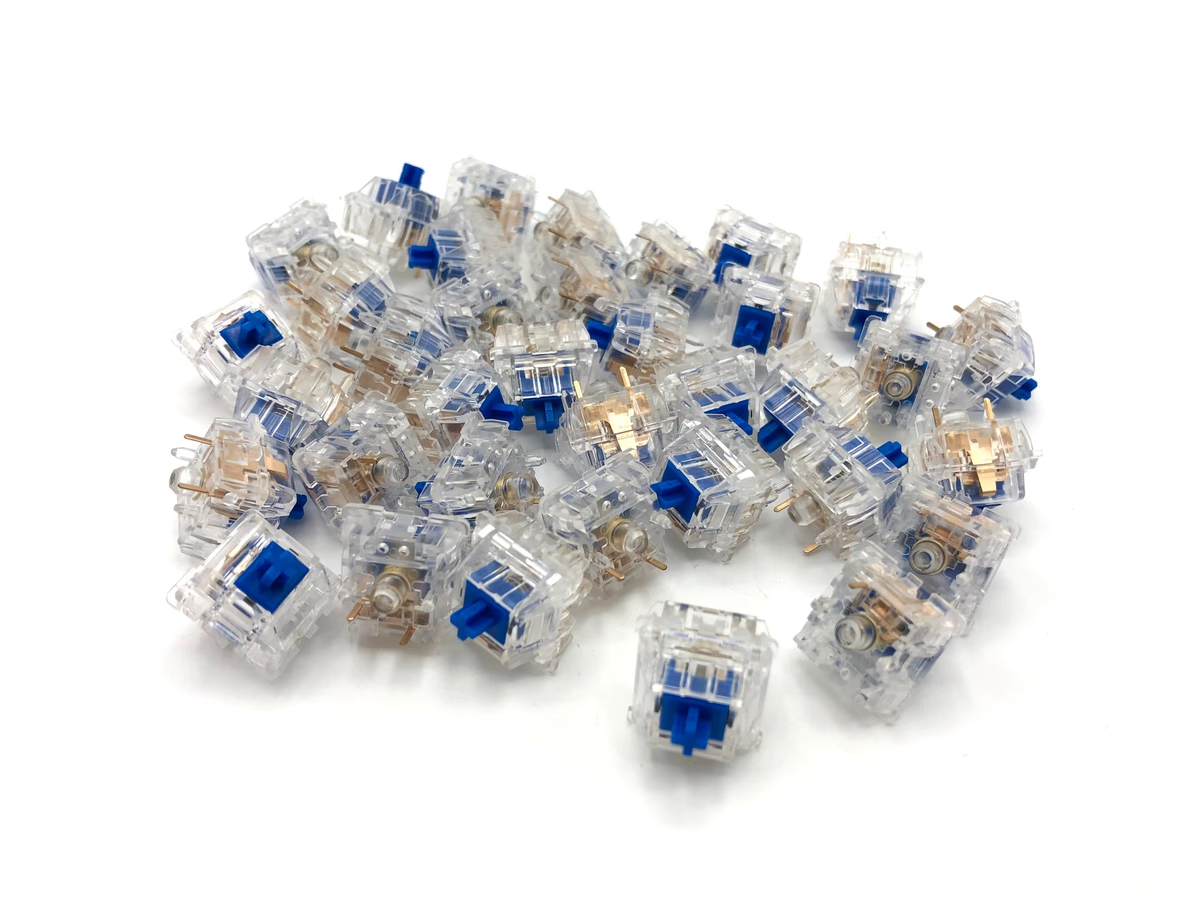
Durock
Durock Dolphin Silent Linear Switch
from$0.69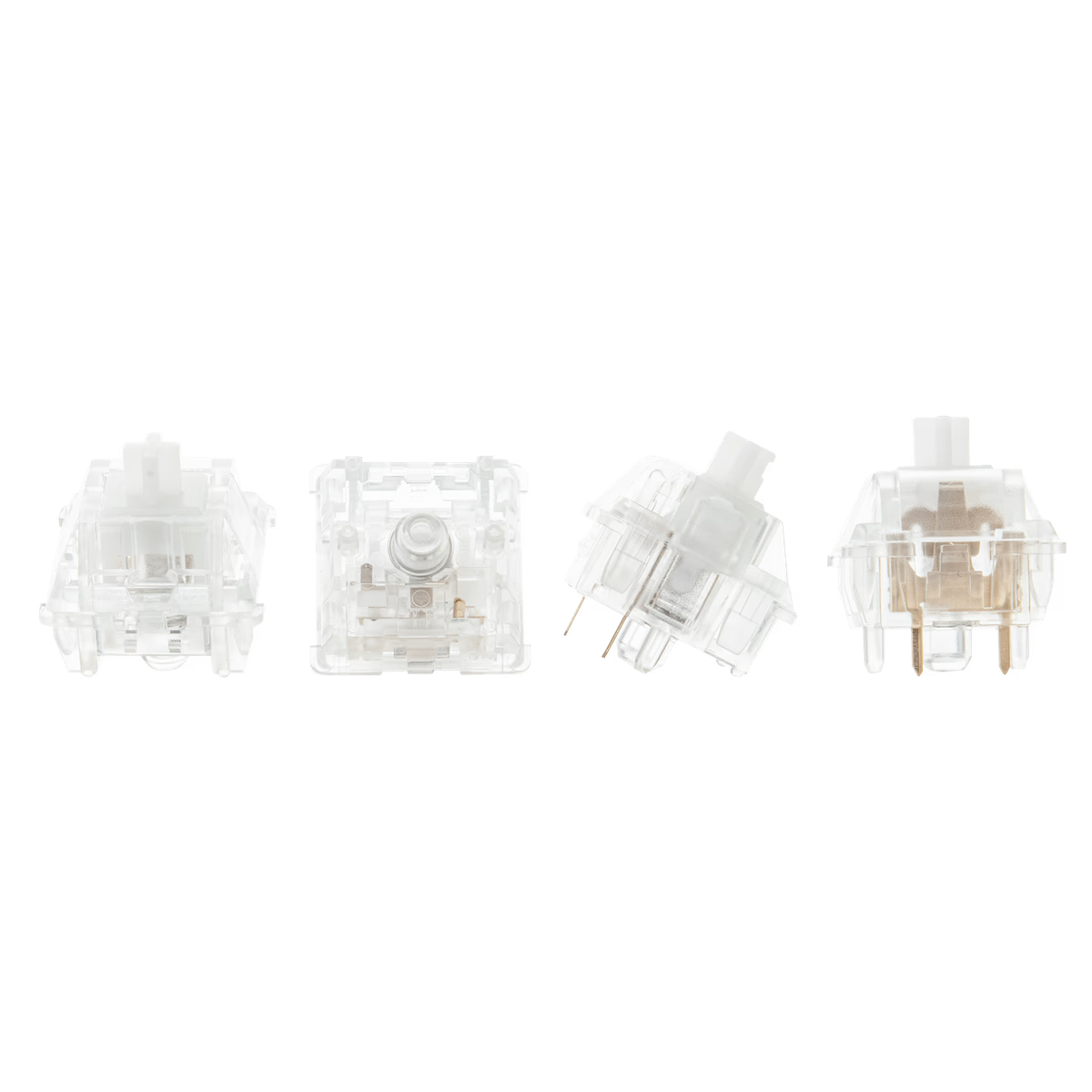
EPOMAKER
Epomaker Crystal Tactile Silent Switch
from$0.48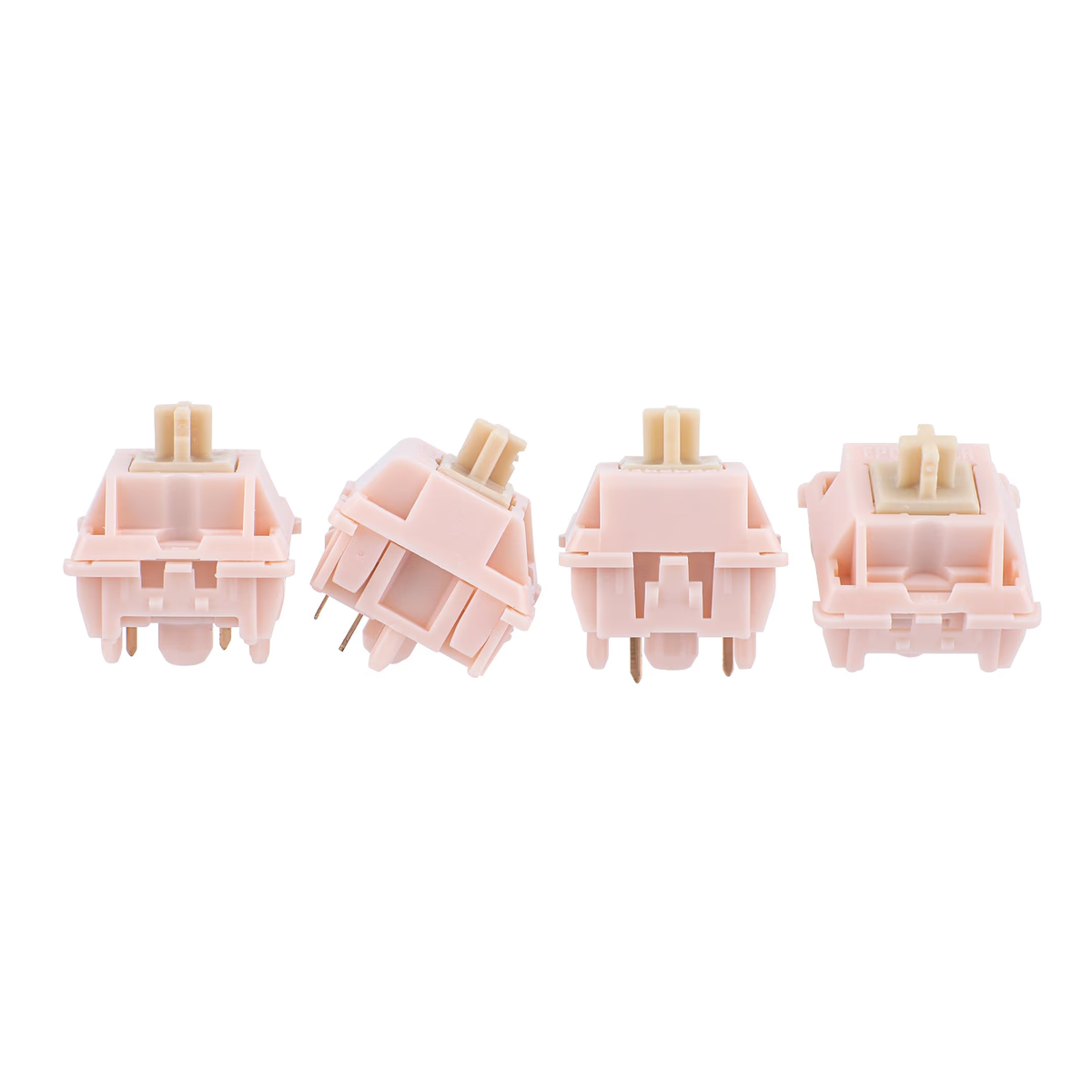
EPOMAKER
Epomaker Nude Rosa Silent Switch
from$0.42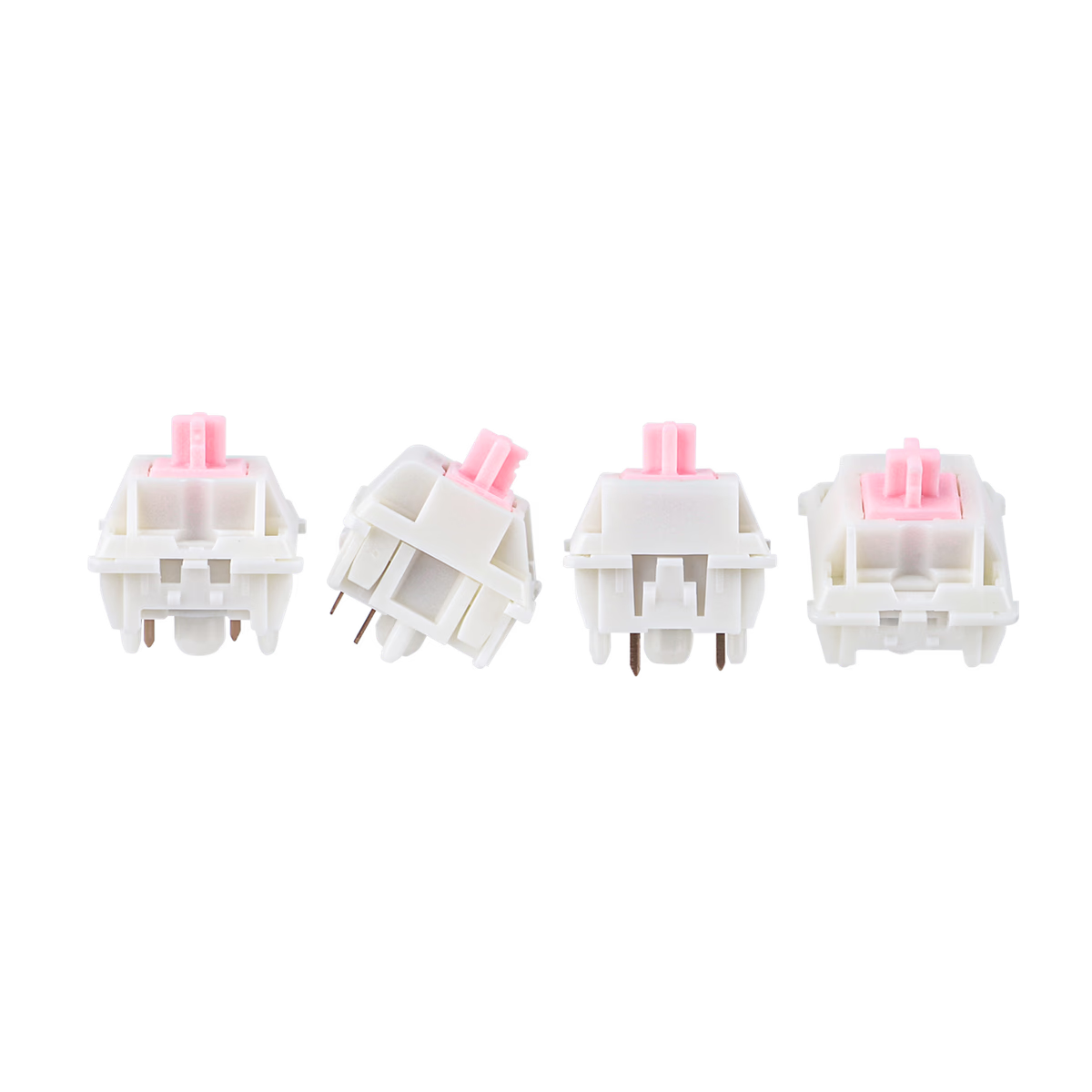
EPOMAKER
Epomaker Roseveil Silent Switch
from$0.48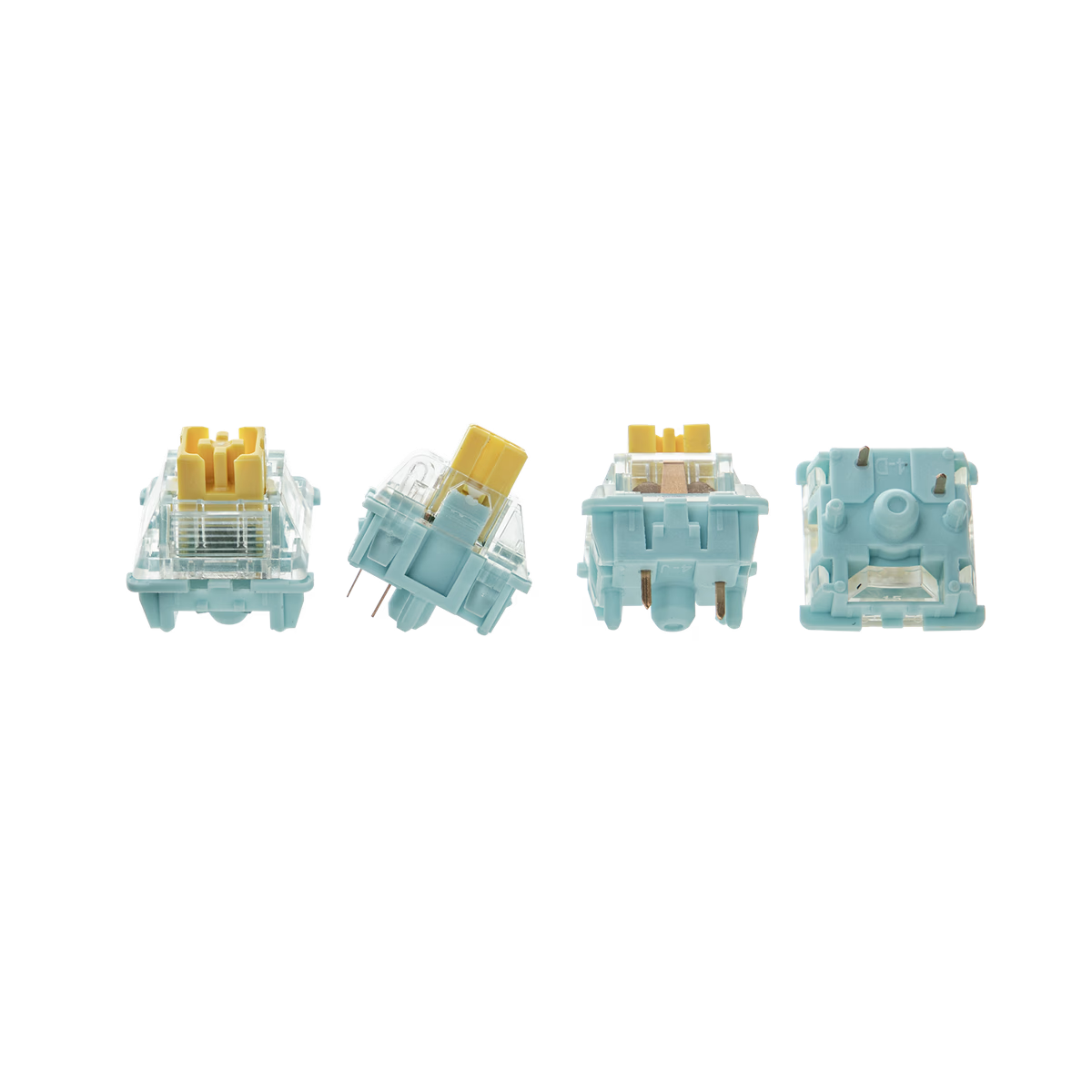
EPOMAKER
Epomaker Sea Salt Silent V3
from—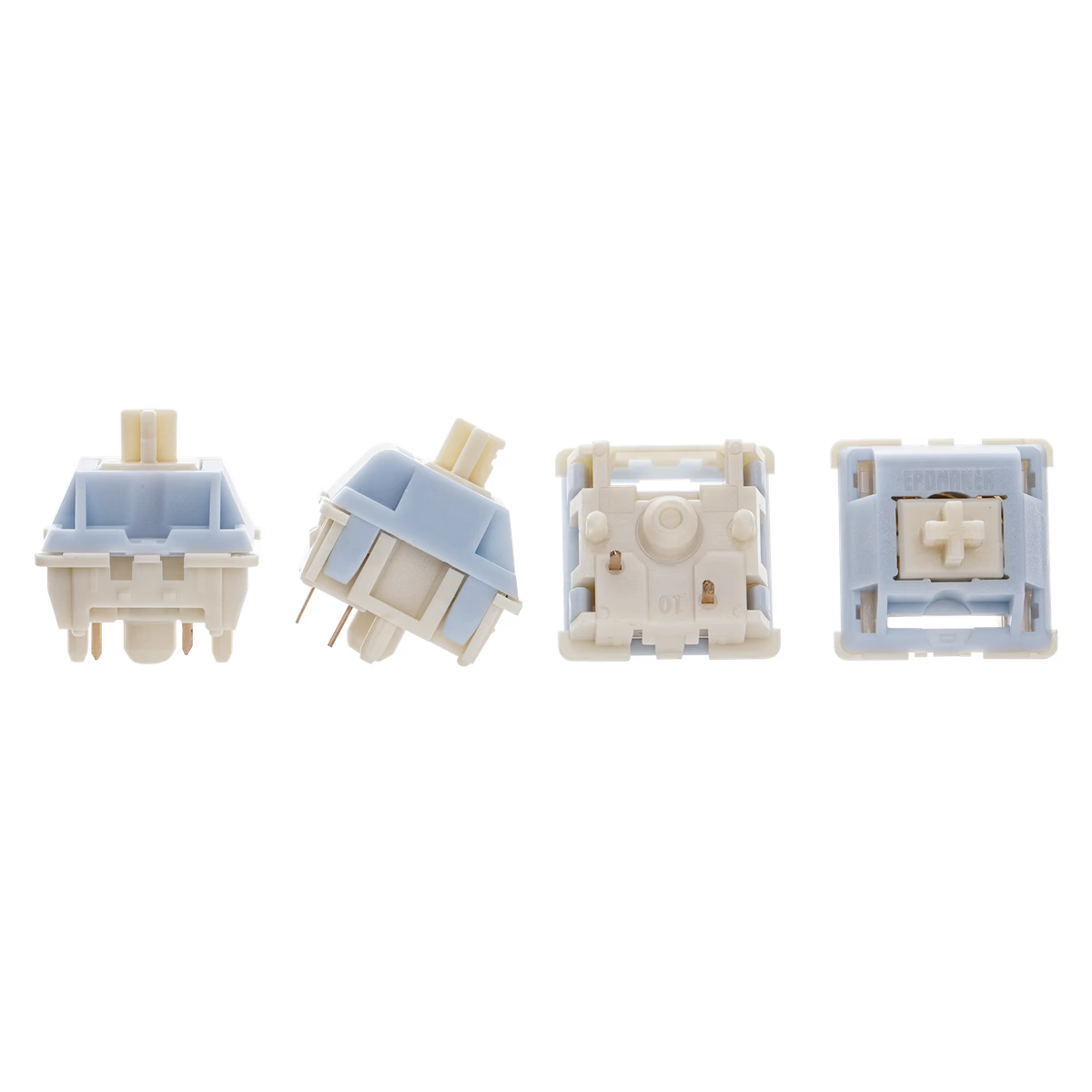
EPOMAKER
Epomaker Sorane Silent Switch
from$0.48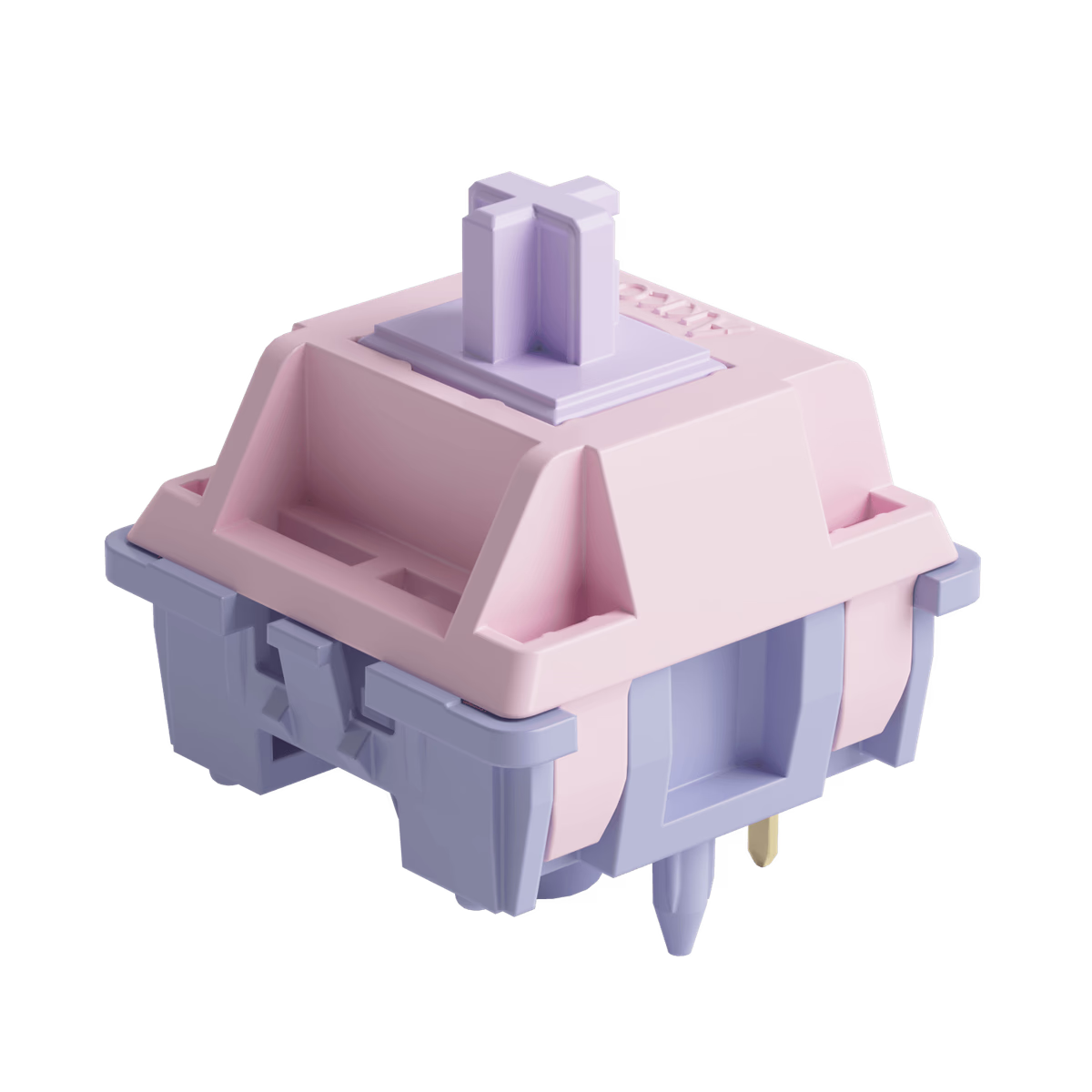
Akko
Fairy Switch (Silent) – Lubed
from$0.33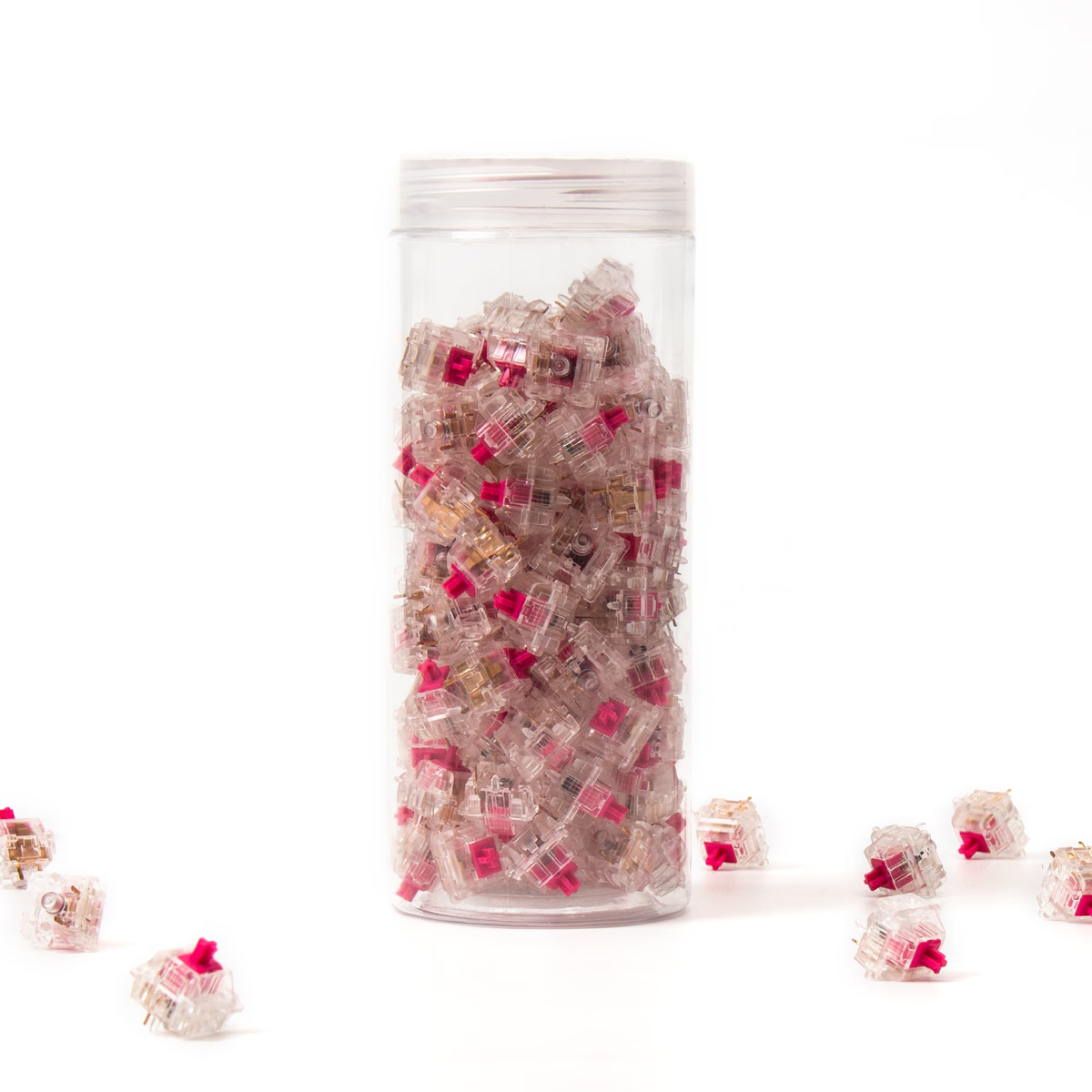
Gateron
Gateron Aliaz Silent Tactile
from$0.34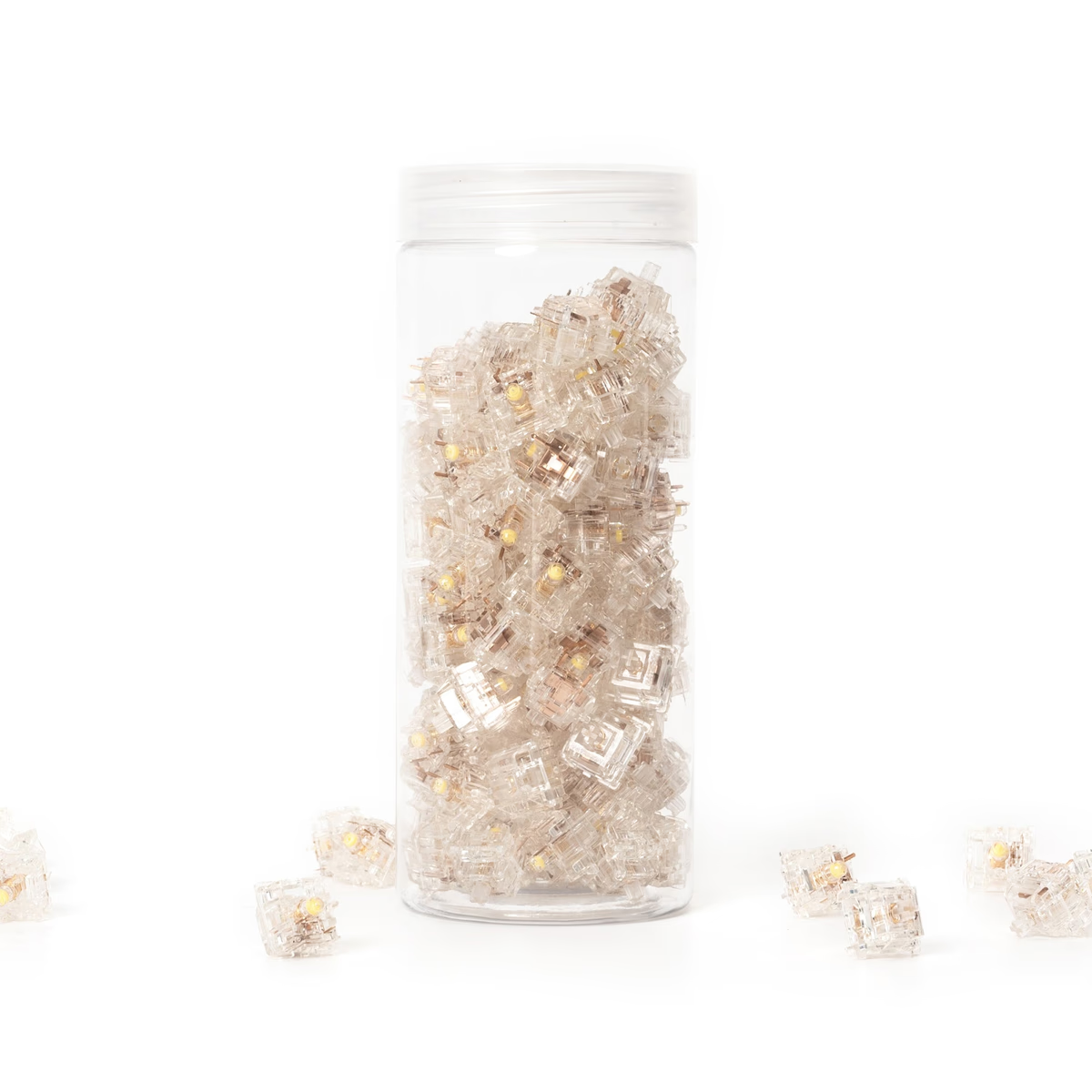
Gateron
Gateron North Pole 2.0
from$0.68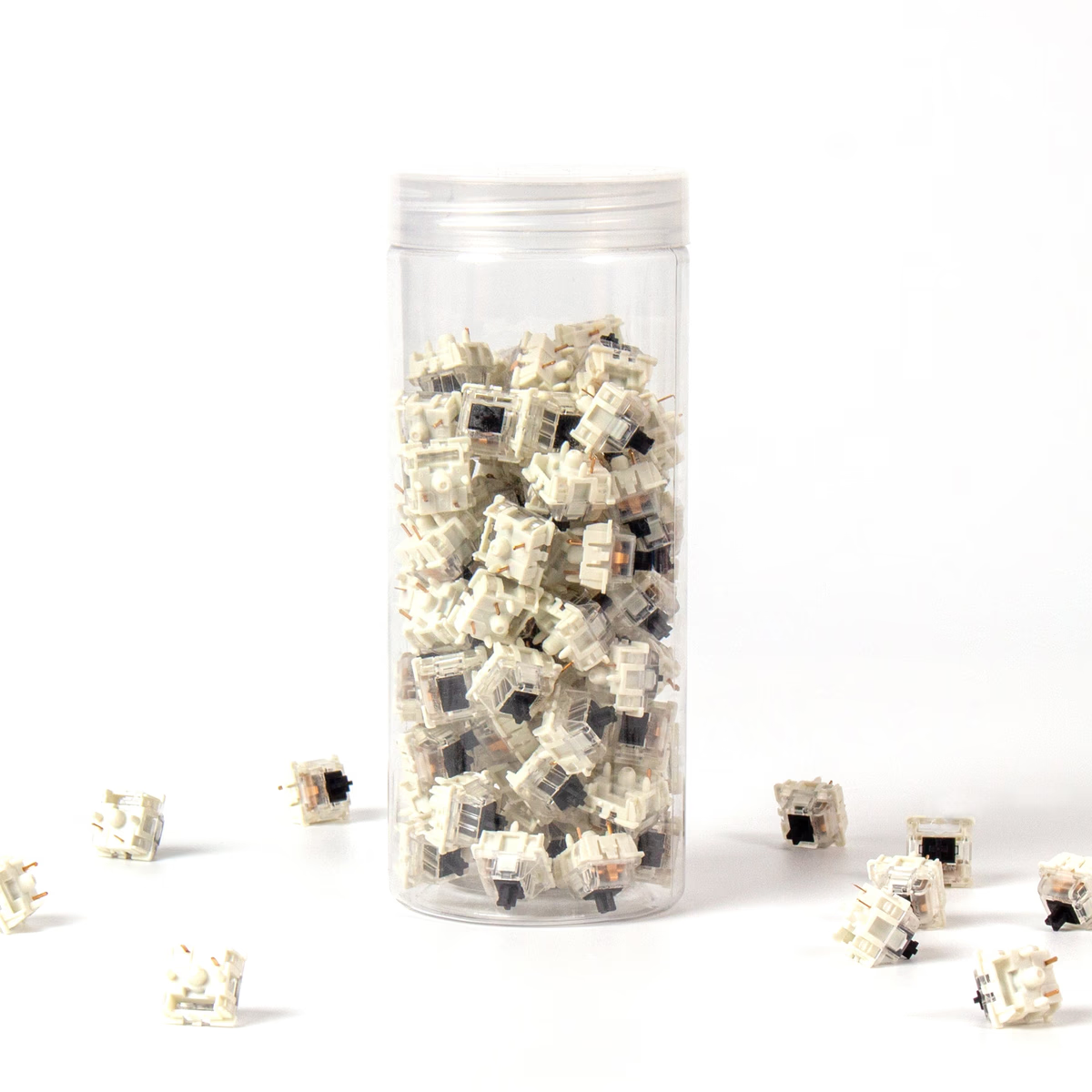
Gateron
Gateron Silent
from$0.36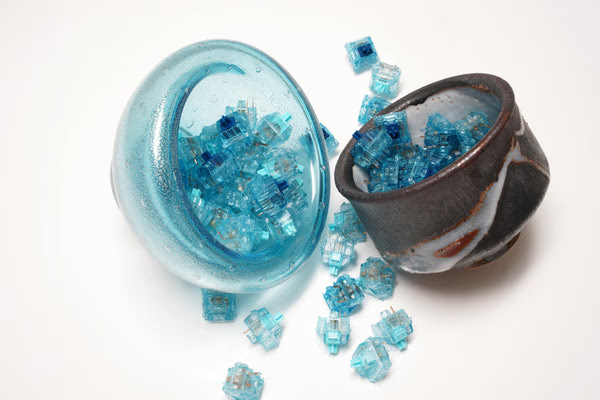
Gazzew
Gazzew Aqua Zilent
from—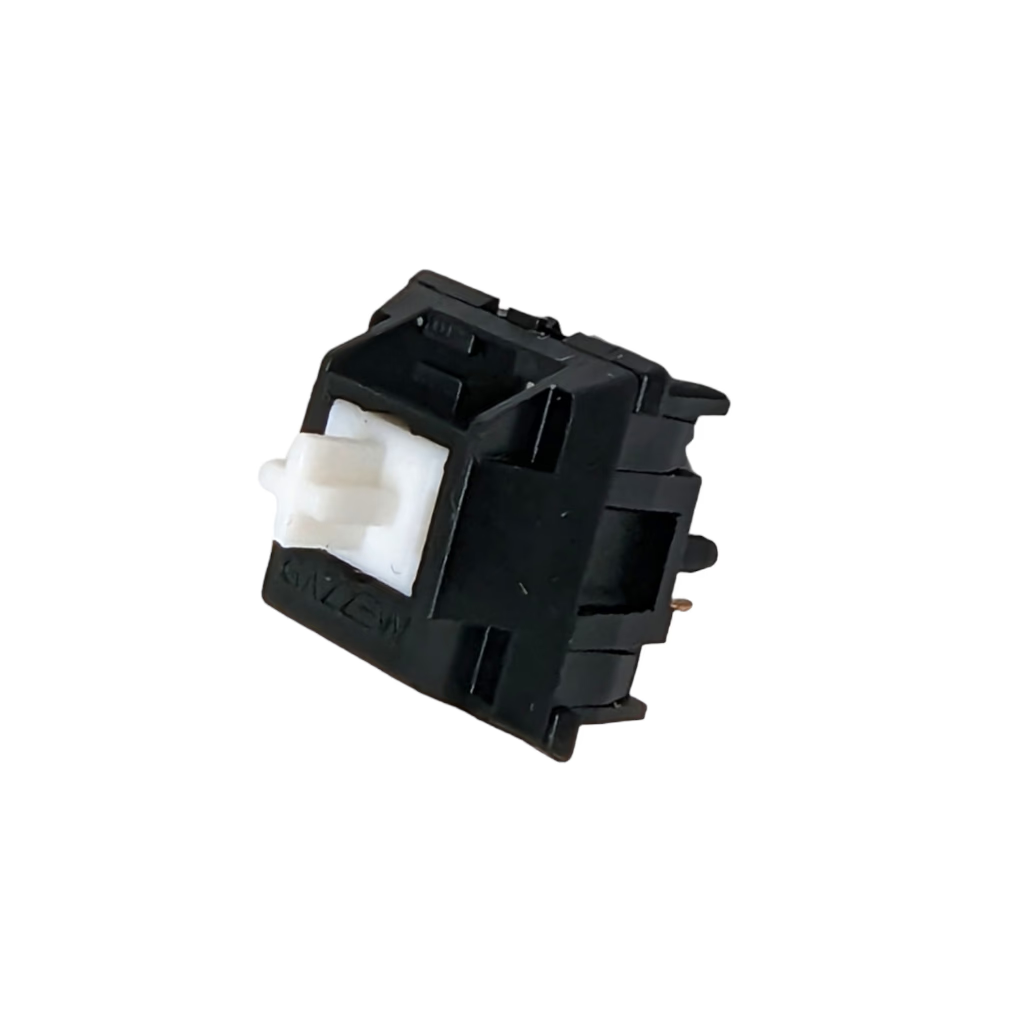
Gazzew
Gazzew Boba U4
from$0.99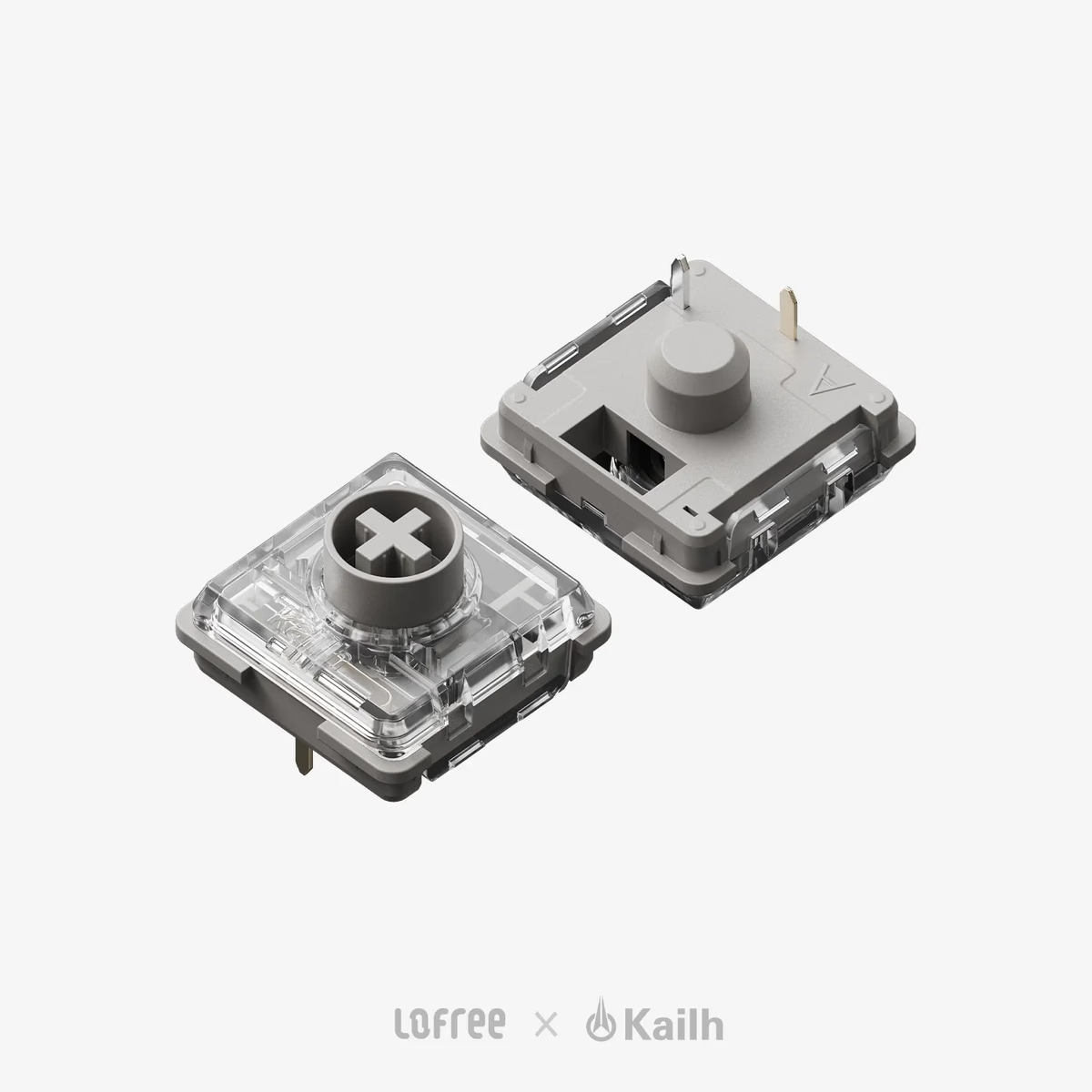
Lofree
Hades Low-profile POM Switches
from—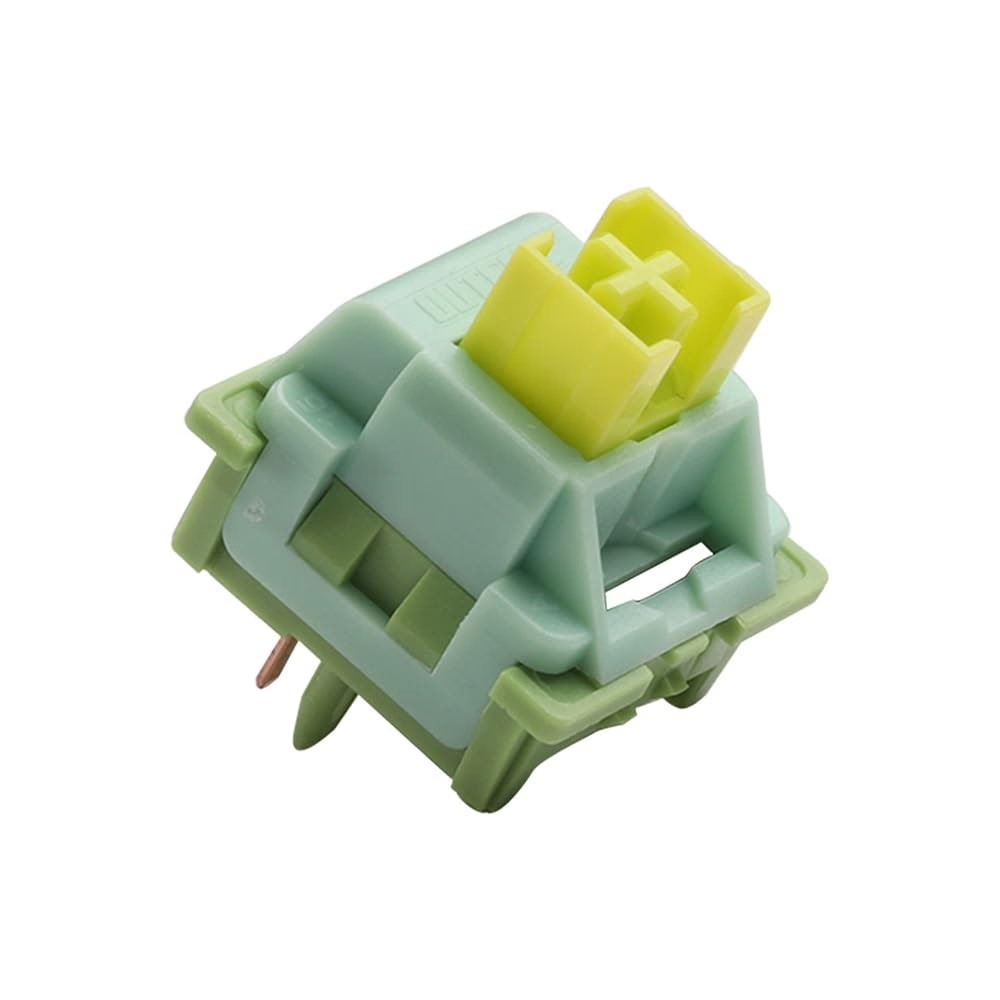
Outemu
Outemu Lime V2
from$0.32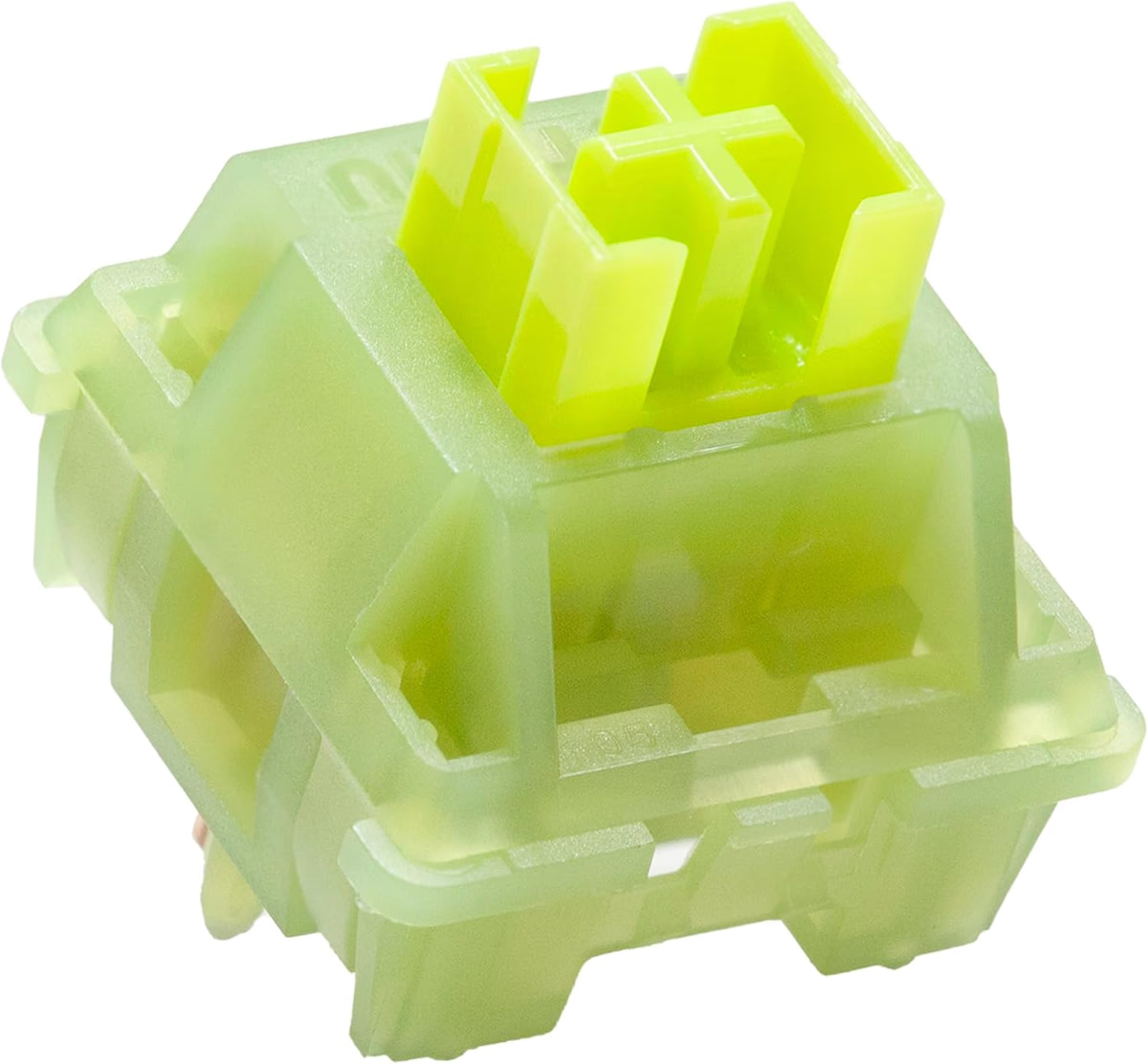
Outemu
Outemu Silent Lemon V3
from—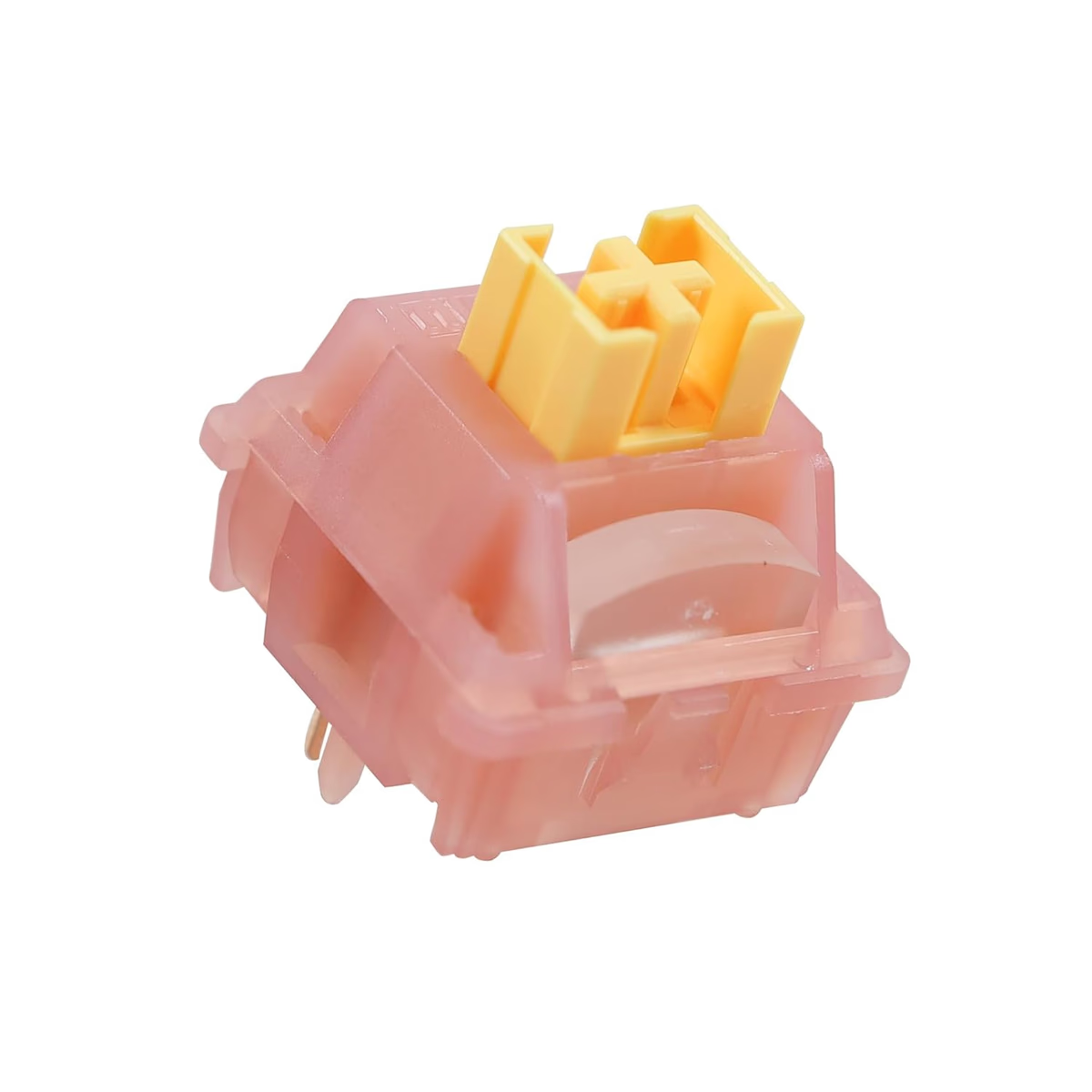
Outemu
Outemu Silent Peach V3
from$0.24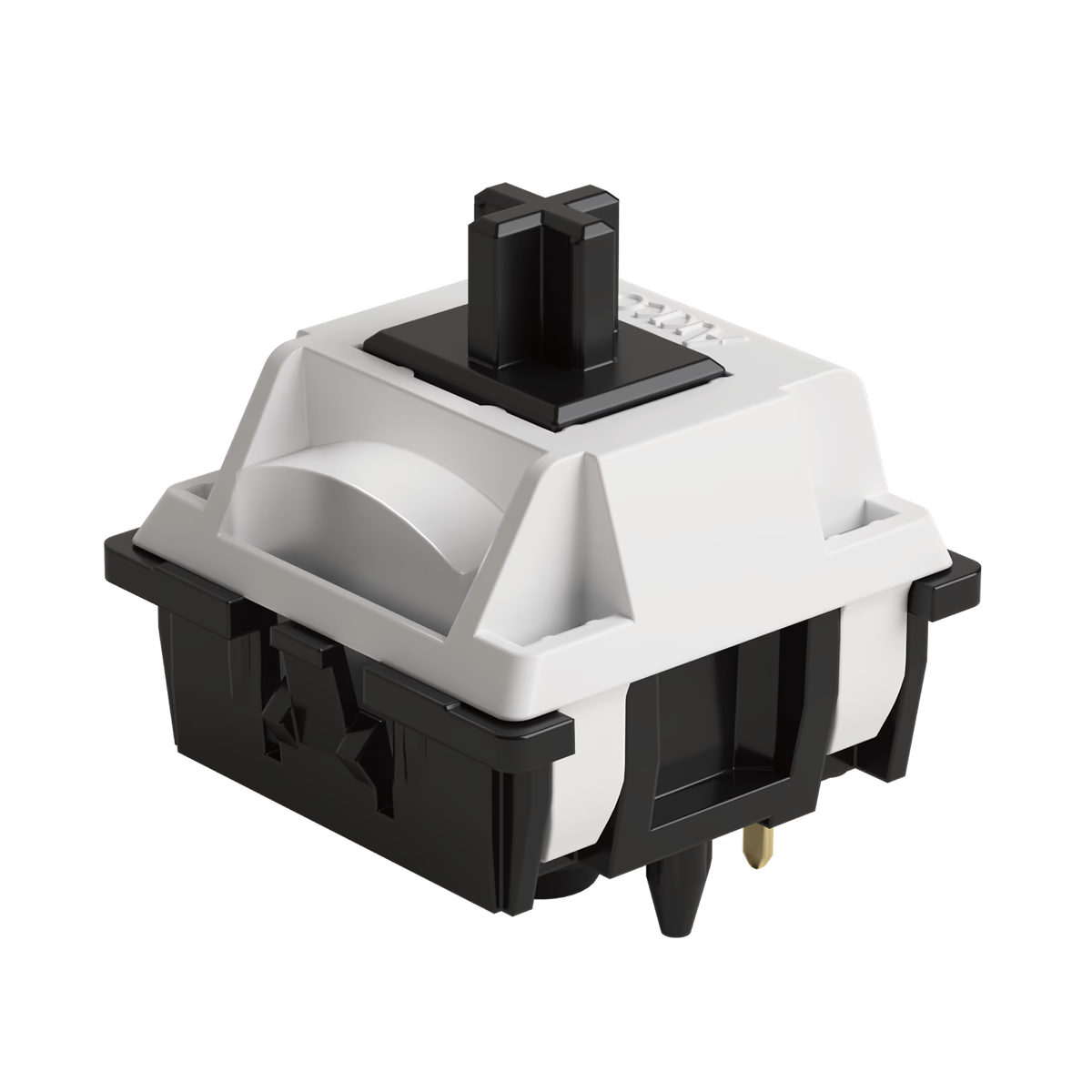
Akko
Penguin Switch (Silent) – Lubed
from—
What silence actually costs
Three numbers, and all three are trade-offs rather than free wins.
Travel is shorter. Silent linears median 3.7 mm and silent tactiles 3.6 mm, against 4.0 mm for their loud equivalents. The dampers occupy space at the bottom of the housing, so the stroke ends sooner. It is a small difference on paper and noticeable in the hand — the press feels slightly abrupt until you adjust.
The price is higher. Silent linears run a $0.55 median per switch against $0.34 for a standard linear — about 60% more. Populating a 90-key board is roughly $50 instead of $31.
The feel is softer, and not everyone wants that. The damper absorbs the crisp end-stop some people are buying a mechanical keyboard for. If you like a firm bottom-out, silent switches will feel mushy no matter how good they are.
What you get for it: 92% of the silent linears we track are factory-lubed, the highest share in the catalogue. Manufacturers know these are bought by people optimising for sound and lube accordingly.
Silent linear or silent tactile
Fifteen of the twenty-three are silent linear, eight are silent tactile.
Silent linear is the quieter of the two and the more common recommendation: nothing in the stroke makes noise by design. Silent tactile keeps the bump, which adds a small amount of sound but returns the feedback that damping otherwise removes. If you are moving from a tactile switch and want to keep the feel, that is the one to look at.
Neither is silent in the literal sense. You will still hear the keycap and the case; the switch stops being the loudest part, which is the whole objective.
Frequently asked
Are silent switches actually silent?
Do silent switches feel mushy?
Are silent switches worth the extra cost?
Silent linear or silent tactile for an office?
Keep exploring
Related guides
More switches categories